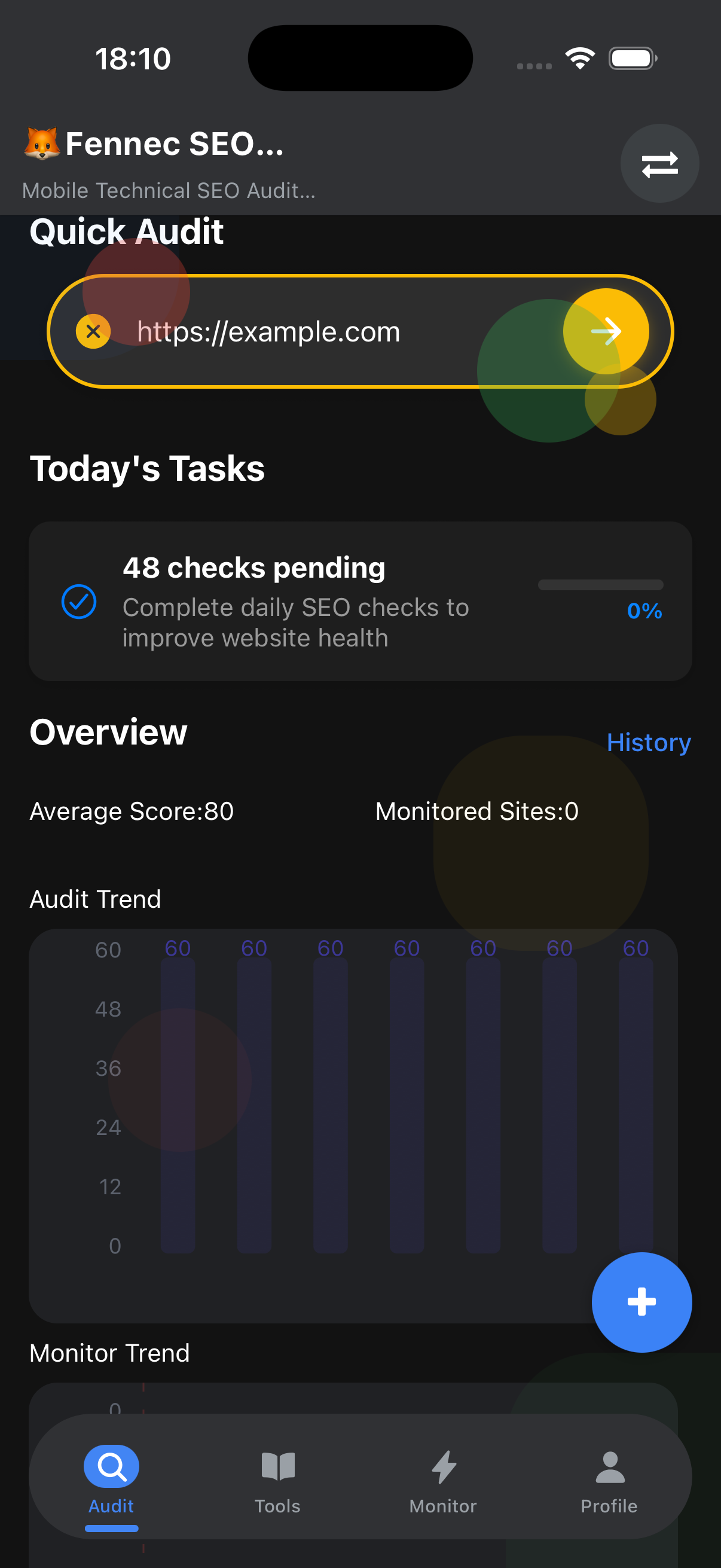
Advanced Technical SEO: The Complete Guide for 2026

Technical SEO is the foundation of any successful SEO strategy. While content and backlinks are important, without a technically sound website, your content may never be discovered or indexed properly. This comprehensive guide covers advanced technical SEO topics that go beyond the basics, helping you optimize your website for maximum search engine visibility and performance.
Understanding Technical SEO Fundamentals
What is Technical SEO?
Technical SEO refers to the process of optimizing your website’s infrastructure and architecture to help search engines crawl, index, and understand your content more effectively. It encompasses:
- Crawlability: Ensuring search engines can access your pages
- Indexability: Making sure pages can be stored in search engine databases
- Site Architecture: Organizing content logically and efficiently
- Performance: Optimizing page speed and user experience
- Security: Implementing HTTPS and other security measures
Why Technical SEO Matters
Technical SEO is critical because:
-
Search Engines Can’t See What They Can’t Crawl
- If Googlebot can’t access your pages, they won’t rank
- Crawl budget is limited, especially for large sites
- Efficient crawling ensures important pages are discovered
-
User Experience Directly Impacts Rankings
- Core Web Vitals are now ranking factors
- Slow-loading sites have higher bounce rates
- Mobile-first indexing requires mobile optimization
-
Technical Issues Can Sabotage Your Efforts
- Duplicate content confuses search engines
- Broken links waste crawl budget
- Poor site structure dilutes authority
Core Web Vitals: The New Ranking Factors
Google’s Core Web Vitals are a set of user-centered metrics that measure key aspects of user experience. These are now confirmed ranking factors for both mobile and desktop search.
Largest Contentful Paint (LCP)
What it measures: Loading performance - the time it takes for the main content to appear
Good threshold: Under 2.5 seconds
How to optimize LCP:
-
Optimize Images
- Use modern image formats (WebP, AVIF)
- Implement lazy loading
- Compress images without quality loss
- Use responsive images with srcset
<img src="image-800w.webp" srcset="image-400w.webp 400w, image-800w.webp 800w, image-1200w.webp 1200w" sizes="(max-width: 600px) 400px, (max-width: 1200px) 800px, 1200px" loading="lazy" alt="Descriptive alt text" /> -
Minimize JavaScript
- Defer non-critical JavaScript
- Remove unused JavaScript
- Use code splitting
- Implement tree shaking
// Defer non-critical JavaScript <script defer src="non-critical.js"></script> // Async for independent scripts <script async src="analytics.js"></script> -
Use a Content Delivery Network (CDN)
- Serve content from edge locations
- Reduce server response time
- Implement HTTP/2 or HTTP/3
-
Preload Critical Resources
<link rel="preload" href="critical.css" as="style">
<link rel="preload" href="critical-font.woff2" as="font" crossorigin>
First Input Delay (FID)
What it measures: Interactivity - the time from when a user first interacts with your site to when the browser responds
Good threshold: Under 100 milliseconds
How to optimize FID:
-
Reduce JavaScript Execution Time
- Break up long tasks
- Use Web Workers for heavy computations
- Optimize event handlers
// Break up long tasks using requestIdleCallback function processLargeDataset(data) { const CHUNK_SIZE = 1000; let index = 0; function processChunk() { const chunk = data.slice(index, index + CHUNK_SIZE); // Process chunk index += CHUNK_SIZE; if (index < data.length) { requestIdleCallback(processChunk); } } requestIdleCallback(processChunk); } -
Minimize Main Thread Work
- Use CSS animations instead of JavaScript
- Offload work to Web Workers
- Implement virtual scrolling for long lists
-
Reduce Third-Party Script Impact
- Audit and remove unnecessary third-party scripts
- Load third-party scripts asynchronously
- Use tag management systems to control script loading
Cumulative Layout Shift (CLS)
What it measures: Visual stability - how much the page layout shifts during loading
Good threshold: Under 0.1
How to optimize CLS:
-
Reserve Space for Dynamic Content
<!-- Bad: No space reserved --> <img src="image.jpg" alt=""> <!-- Good: Space reserved --> <div style="width: 800px; height: 600px;"> <img src="image.jpg" width="800" height="600" alt=""> </div> -
Avoid Injecting Content Above Existing Content
- Don’t insert ads or banners at the top of the page
- Use placeholder content that matches final dimensions
- Reserve space for dynamic elements
-
Use CSS Transitions Instead of Animations
/* Bad: Causes layout shift */ .element { animation: slideIn 0.5s; } /* Good: Uses transform */ .element { transform: translateX(0); transition: transform 0.5s; } -
Set Font Display Strategy
@font-face {
  font-family: 'CustomFont';
  src: url('font.woff2') format('woff2');
  font-display: swap; /* or optional, fallback */
}
JavaScript SEO: Optimizing Modern Web Applications
With the rise of JavaScript frameworks like React, Vue, Angular, and Astro, traditional SEO approaches need to be adapted for modern web applications.
Understanding JavaScript Rendering
There are three main rendering approaches:
1. Client-Side Rendering (CSR)
- Content rendered in the browser using JavaScript
- Initial HTML is minimal or empty
- Search engines must execute JavaScript to see content
- Pros: Fast subsequent page loads, dynamic content
- Cons: Slower initial load, potential indexing issues
2. Server-Side Rendering (SSR)
- Content rendered on the server before sending to browser
- Full HTML sent to client
- Search engines see complete content immediately
- Pros: Better SEO, faster initial load
- Cons: Higher server load, more complex setup
3. Static Site Generation (SSG)
- Content pre-rendered at build time
- Static HTML files served to visitors
- Best performance and SEO
- Pros: Fastest performance, excellent SEO
- Cons: Not suitable for highly dynamic content
JavaScript SEO Best Practices
1. Ensure Content is Rendered
Search engines can render JavaScript, but it’s not guaranteed. Follow these guidelines:
Use SSR or SSG When Possible
- Prefer server-side rendering for important pages
- Use static site generation for content that doesn’t change frequently
- Astro, Next.js, and Nuxt.js support both SSR and SSG
Test JavaScript Rendering
- Use Google’s Rich Results Test
- Check with URL Inspection Tool in Search Console
- Use FennecSEO’s JavaScript rendering audit
Provide Fallback Content
<!-- Fallback for users without JavaScript -->
<noscript>
  <div class="content-fallback">
    <h1>Important Content</h1>
    <p>This content is visible without JavaScript</p>
  </div>
</noscript>
2. Optimize JavaScript for Crawlers
Minimize JavaScript Bundle Size
- Use code splitting to load only necessary code
- Implement tree shaking to remove unused code
- Use dynamic imports for non-critical features
// Dynamic import for non-critical component
const LazyComponent = lazy(() => import('./LazyComponent'));

function App() {
  return (
    <Suspense fallback={<Loading />}>
      <LazyComponent />
    </Suspense>
  );
}
Use Semantic HTML
- Don’t rely solely on JavaScript for content
- Ensure important content is in HTML
- Use proper heading structure (H1, H2, H3)
<!-- Good: Semantic HTML -->
<article>
  <h1>Article Title</h1>
  <p>Article content...</p>
</article>

<!-- Bad: Content only in JavaScript -->
<div id="content"></div>
<script>
  document.getElementById('content').innerHTML = '<h1>Article Title</h1>';
</script>
3. Implement Progressive Enhancement
Start with basic HTML, then enhance with JavaScript:
<!-- Basic HTML (works without JavaScript) -->
<a href="/about/" class="nav-link">About</a>

<!-- Enhanced with JavaScript -->
<script>
  document.querySelectorAll('.nav-link').forEach(link => {
    link.addEventListener('click', (e) => {
      e.preventDefault();
      // Smooth scroll or SPA navigation
      loadPage(link.href);
    });
  });
</script>
4. Use Meta Tags for JavaScript Pages
<!-- Open Graph tags for social sharing -->
<meta property="og:title" content="Page Title">
<meta property="og:description" content="Page Description">
<meta property="og:image" content="https://example.com/image.jpg">

<!-- Twitter Card tags -->
<meta name="twitter:card" content="summary_large_image">
<meta name="twitter:title" content="Page Title">
<meta name="twitter:description" content="Page Description">
Common JavaScript SEO Issues and Solutions
Issue 1: Content Not Indexed
Problem: Search engines can’t see content rendered by JavaScript
Solution:
- Implement SSR or SSG
- Use pre-rendering services like Prerender.io
- Provide HTML fallback for critical content
Issue 2. Slow Page Load
Problem: Large JavaScript bundles slow down page load
Solution:
- Implement code splitting
- Use lazy loading for components
- Optimize and compress JavaScript
Issue 3: Broken Internal Links
Problem: JavaScript-based navigation not crawlable
Solution:
- Use HTML links with href attributes
- Implement History API properly
- Provide sitemap with all URLs
// Good: Uses History API
function navigateTo(url) {
  window.history.pushState({}, '', url);
  loadContent(url);
}

// Bad: Only changes hash
function navigateTo(url) {
  window.location.hash = url;
}
Crawl Budget Optimization
Crawl budget is the number of URLs Googlebot can and wants to crawl on your site. For large websites with thousands or millions of pages, managing crawl budget is essential.
Understanding Crawl Budget
Crawl Budget = Crawl Rate + Crawl Demand
- Crawl Rate: How fast Googlebot can crawl without overloading your server
- Crawl Demand: How often Googlebot wants to crawl your site based on popularity and freshness
When Crawl Budget Matters
Crawl budget optimization is critical for:
- Large sites (100,000+ pages)
- Sites with rapid content updates (news, e-commerce)
- Sites with many parameterized URLs
- Sites with limited server resources
Crawl Budget Optimization Strategies
1. Prioritize Important Pages
Create XML Sitemaps
- Include only important pages
- Update sitemaps regularly
- Submit to Google Search Console
<?xml version="1.0" encoding="UTF-8"?>
<urlset xmlns="http://www.sitemaps.org/schemas/sitemap/0.9">
  <url>
    <loc>https://example.com/important-page</loc>
    <lastmod>2025-01-05</lastmod>
    <changefreq>weekly</changefreq>
    <priority>1.0</priority>
  </url>
</urlset>
Use Internal Linking
- Link to important pages from homepage
- Create clear site architecture
- Use breadcrumb navigation
<nav aria-label="Breadcrumb">
  <ol>
    <li><a href="/">Home</a></li>
    <li><a href="/category">Category</a></li>
    <li aria-current="page">Current Page</li>
  </ol>
</nav>
2. Block Low-Value Pages
Use Robots.txt
# Block low-value pages
User-agent: *
Disallow: /search?
Disallow: /filter?
Disallow: /sort?
Disallow: /admin/
Disallow: /api/
Disallow: /*.pdf$
Disallow: /*.jpg$
Use Meta Noindex Tags
<!-- Block low-value pages from indexing -->
<meta name="robots" content="noindex, follow">
Use Canonical URLs
<!-- Point to preferred version -->
<link rel="canonical" href="https://example.com/preferred-url">
3. Optimize Site Architecture
Flat Site Structure
- Keep important pages within 3-4 clicks from homepage
- Use clear categories and subcategories
- Avoid deep nesting
<!-- Good: Flat structure -->
Home → Category → Product

<!-- Bad: Deep structure -->
Home → Category → Subcategory → Type → Product
URL Structure
- Use short, descriptive URLs
- Include keywords naturally
- Avoid unnecessary parameters
# Good
https://example.com/seo-tools/keyword-research

# Bad
https://example.com/tools?id=123&category=seo&type=keyword
4. Monitor Crawl Activity
Use Google Search Console
- Check crawl stats report
- Monitor crawl errors
- Track indexed pages
Analyze Server Logs
- Identify crawl patterns
- Find wasted crawl budget
- Detect crawling issues
# Analyze Googlebot requests in server logs
grep "Googlebot" access.log | wc -l

# Find most crawled pages
grep "Googlebot" access.log | awk '{print $7}' | sort | uniq -c | sort -rn | head -20
Log File Analysis
Log file analysis reveals exactly how search engines crawl your site.
What to Analyze
-
Crawl Frequency
- How often Googlebot visits your site
- Which pages are crawled most frequently
- Crawl patterns over time
-
Crawl Depth
- How deep Googlebot crawls
- Which sections are crawled
- Orphaned pages not found
-
Crawl Errors
- 404 errors encountered
- 5xx server errors
- Timeout issues
-
Crawl Budget Waste
- Crawling of low-value pages
- Repeated crawling of same pages
- Crawling of blocked resources
Log Analysis Tools
1. FennecSEO Log Analyzer
- Automated log file analysis
- Crawl budget optimization recommendations
- Real-time crawl monitoring
2. Screaming Frog Log File Analyzer
- Visualize crawl data
- Identify crawl issues
- Export detailed reports
3. Google Search Console
- Built-in crawl stats
- URL inspection tool
- Coverage report
Site Architecture and URL Structure
A well-organized site architecture helps search engines understand your content and improves user experience.
URL Structure Best Practices
1. Use Descriptive URLs
# Good: Descriptive and keyword-rich
https://example.com/seo-tools/keyword-research-tool

# Bad: Generic and uninformative
https://example.com/tools?id=123
2. Keep URLs Short
# Good: Short and clean
https://example.com/seo/keyword-research

# Bad: Long and cluttered
https://example.com/seo/advanced-keyword-research-tools-for-2025
3. Use Hyphens, Not Underscores
# Good: Uses hyphens
https://example.com/keyword-research

# Bad: Uses underscores
https://example.com/keyword_research
4. Use Lowercase Letters
# Good: All lowercase
https://example.com/keyword-research

# Bad: Mixed case
https://example.com/Keyword-Research
Site Architecture Patterns
1. Hierarchical Structure
Home
├── Category 1
│   ├── Subcategory 1.1
│   │   ├── Product 1.1.1
│   │   └── Product 1.1.2
│   └── Subcategory 1.2
├── Category 2
│   ├── Subcategory 2.1
│   └── Subcategory 2.2
└── Category 3
2. Flat Structure
Home
├── Product 1
├── Product 2
├── Product 3
├── Product 4
└── Product 5
3. Hybrid Structure
Home
├── Category 1
│   ├── Product 1
│   ├── Product 2
│   └── Product 3
├── Category 2
│   ├── Product 4
│   └── Product 5
└── Featured Products
    ├── Product 6
    └── Product 7
Internal Linking Strategy
1. Contextual Links
Link to related content within your content:
<p>Keyword research is essential for SEO success. Our <a href="/keyword-research-tool/">keyword research tool</a> helps you find high-value keywords.</p>
For advanced keyword research techniques, learn about TF-IDF Analysis and KGR Analysis to find low-competition opportunities.
2. Navigation Links
Use clear navigation menus:
<nav>
  <ul>
    <li><a href="/tools">SEO Tools</a></li>
    <li><a href="/guides">Guides</a></li>
    <li><a href="/blog">Blog</a></li>
  </ul>
</nav>
3. Footer Links
Include important links in footer:
<footer>
  <nav>
    <h3>Quick Links</h3>
    <ul>
      <li><a href="/about/">About Us</a></li>
      <li><a href="/contact/">Contact</a></li>
      <li><a href="/privacy/">Privacy Policy</a></li>
    </ul>
  </nav>
</footer>
4. Breadcrumb Navigation
Help users and search engines understand page hierarchy:
<nav aria-label="Breadcrumb">
  <ol>
    <li><a href="/">Home</a></li>
    <li><a href="/tools/">SEO Tools</a></li>
    <li><a href="/tools/keyword-research/">Keyword Research</a></li>
    <li aria-current="page">Keyword Research Tool</li>
  </ol>
</nav>
Duplicate Content Management
Duplicate content confuses search engines and can hurt your rankings. Here’s how to manage it effectively.
Types of Duplicate Content
1. Exact Duplicates
Identical content on multiple URLs
2. Near Duplicates
Very similar content with minor differences
3. Parameter-Based Duplicates
Same content with different URL parameters
https://example.com/product
https://example.com/product?color=red
https://example.com/product?size=large
https://example.com/product?ref=affiliate
4. WWW vs Non-WWW
https://www.example.com/page
https://example.com/page
5. HTTP vs HTTPS
http://example.com/page
https://example.com/page
Duplicate Content Solutions
1. Canonical URLs
Specify the preferred version of a page:
<link rel="canonical" href="https://example.com/preferred-url">
Canonical Best Practices:
- Use absolute URLs
- Point to the preferred version
- Ensure canonical page exists and is accessible
- Don’t canonicalize to different domain (unless using cross-domain canonicals)
2. 301 Redirects
Permanently redirect old URLs to new URLs:
# Apache .htaccess
Redirect 301 /old-page https://example.com/new-page

# Nginx
rewrite ^/old-page$ https://example.com/new-page permanent;
3. Parameter Handling
Configure parameter handling in Google Search Console:
- Go to Search Console
- Select URL Parameters
- Configure each parameter:
- Let Googlebot decide: Default option
- Yes: Changes page content (e.g., product ID)
- No: Doesn’t change content (e.g., tracking parameters)
4. Meta Noindex
Block duplicate pages from indexing:
<meta name="robots" content="noindex, follow">
5. Robots.txt
Block low-value parameterized URLs:
User-agent: *
Disallow: /*?ref=
Disallow: /*?utm_source=
Disallow: /*?sort=
Structured Data for Duplicate Content
Use structured data to help search engines understand content relationships:
<script type="application/ld+json">
{
  "@context": "https://schema.org",
  "@type": "Product",
  "name": "Product Name",
  "offers": {
    "@type": "Offer",
    "url": "https://example.com/product"
  }
}
</script>
Mobile-First Indexing
Google now uses the mobile version of your site for indexing and ranking. Mobile-first indexing is essential for SEO success. For more insights on optimizing for mobile search behaviors, check out our comprehensive guide on Voice Search Optimization.
Mobile-First Indexing Requirements
1. Responsive Design
Use CSS media queries to adapt to different screen sizes:
/* Mobile-first approach */
.container {
  width: 100%;
  padding: 1rem;
}

@media (min-width: 768px) {
  .container {
    max-width: 1200px;
    margin: 0 auto;
    padding: 2rem;
  }
}
2. Viewport Meta Tag
Include viewport meta tag:
<meta name="viewport" content="width=device-width, initial-scale=1.0">
3. Mobile-Friendly Content
- Use readable font sizes (16px minimum)
- Ensure buttons are large enough (44px minimum)
- Avoid horizontal scrolling
- Optimize images for mobile
4. Fast Mobile Performance
- Optimize page speed for mobile networks
- Minimize JavaScript execution
- Use efficient images
Mobile SEO Best Practices
1. Test Mobile Usability
Use Google’s Mobile-Friendly Test:
- Check if pages are mobile-friendly
- Identify mobile usability issues
- Get specific recommendations
2. Optimize Touch Targets
Ensure buttons and links are easily tappable:
/* Good: Large touch targets */
.button {
  min-height: 44px;
  min-width: 44px;
  padding: 12px 24px;
}

/* Bad: Small touch targets */
.button {
  height: 20px;
  padding: 4px 8px;
}
3. Avoid Interstitials
Don’t use intrusive pop-ups on mobile:
<!-- Bad: Intrusive interstitial -->
<div class="popup" style="position: fixed; top: 0; left: 0; right: 0; bottom: 0;">
  <!-- Popup content -->
</div>

<!-- Good: Non-intrusive banner -->
<div class="banner" style="position: fixed; bottom: 0; left: 0; right: 0; height: 60px;">
  <!-- Banner content -->
</div>
4. Use Accelerated Mobile Pages (AMP)
AMP provides faster mobile page loads:
<!doctype html>
<html ⚡>
<head>
  <meta charset="utf-8">
  <script async src="https://cdn.ampproject.org/v0.js"></script>
  <link rel="canonical" href="https://example.com/original-page">
  <meta name="viewport" content="width=device-width,minimum-scale=1,initial-scale=1">
</head>
<body>
  <h1>AMP Page</h1>
</body>
</html>
HTTPS and Security
HTTPS is a ranking signal and essential for user trust and security.
Implementing HTTPS
1. Obtain SSL Certificate
Get SSL certificate from:
- Let’s Encrypt (free)
- Certificate Authority (paid)
- Hosting provider (often free)
2. Configure Server
Apache:
<VirtualHost *:443>
  ServerName example.com
  DocumentRoot /var/www/html
  SSLEngine on
  SSLCertificateFile /path/to/certificate.crt
  SSLCertificateKeyFile /path/to/private.key
  SSLCertificateChainFile /path/to/chain.crt
</VirtualHost>
Nginx:
server {
  listen 443 ssl;
  server_name example.com;

  ssl_certificate /path/to/certificate.crt;
  ssl_certificate_key /path/to/private.key;
  ssl_protocols TLSv1.2 TLSv1.3;
  ssl_ciphers HIGH:!aNULL:!MD5;
}
3. Redirect HTTP to HTTPS
Apache:
<VirtualHost *:80>
  ServerName example.com
  Redirect permanent / https://example.com/
</VirtualHost>
Nginx:
server {
  listen 80;
  server_name example.com;
  return 301 https://$server_name$request_uri;
}
4. Update Internal Links
Update all internal links to use HTTPS:
<!-- Good: HTTPS links -->
<a href="https://example.com/page">Link</a>

<!-- Bad: HTTP links -->
<a href="http://example.com/page">Link</a>
Mixed Content Issues
Mixed content occurs when HTTPS pages load HTTP resources.
Fixing Mixed Content
1. Update Resource URLs
<!-- Bad: HTTP resource on HTTPS page -->
<img src="http://example.com/image.jpg">

<!-- Good: HTTPS resource -->
<img src="https://example.com/image.jpg">
2. Use Protocol-Relative URLs
<!-- Good: Protocol-relative -->
<img src="//example.com/image.jpg">
3. Use Content Security Policy (CSP)
<meta http-equiv="Content-Security-Policy" content="upgrade-insecure-requests">
Structured Data and Schema Markup
Structured data helps search engines understand your content and can lead to rich results in search results.
Schema Markup Types
1. Article Schema
<script type="application/ld+json">
{
  "@context": "https://schema.org",
  "@type": "Article",
  "headline": "Article Title",
  "image": "https://example.com/image.jpg",
  "author": {
    "@type": "Person",
    "name": "Author Name"
  },
  "publisher": {
    "@type": "Organization",
    "name": "Publisher Name",
    "logo": {
      "@type": "ImageObject",
      "url": "https://example.com/logo.png"
    }
  },
  "datePublished": "2025-01-05",
  "dateModified": "2025-01-05"
}
</script>
2. Product Schema
<script type="application/ld+json">
{
  "@context": "https://schema.org",
  "@type": "Product",
  "name": "Product Name",
  "image": "https://example.com/product-image.jpg",
  "description": "Product description",
  "brand": {
    "@type": "Brand",
    "name": "Brand Name"
  },
  "offers": {
    "@type": "Offer",
    "price": "59.99",
    "priceCurrency": "USD",
    "availability": "https://schema.org/InStock",
    "url": "https://example.com/product"
  }
}
</script>
3. LocalBusiness Schema
<script type="application/ld+json">
{
  "@context": "https://schema.org",
  "@type": "LocalBusiness",
  "name": "Business Name",
  "image": "https://example.com/business-image.jpg",
  "address": {
    "@type": "PostalAddress",
    "streetAddress": "123 Main Street",
    "addressLocality": "New York",
    "addressRegion": "NY",
    "postalCode": "10001",
    "addressCountry": "US"
  },
  "telephone": "+1-555-123-4567",
  "openingHours": "Mo-Fr 09:00-17:00",
  "priceRange": "$$"
}
</script>
4. FAQ Schema
<script type="application/ld+json">
{
  "@context": "https://schema.org",
  "@type": "FAQPage",
  "mainEntity": [
    {
      "@type": "Question",
      "name": "What is SEO?",
      "acceptedAnswer": {
        "@type": "Answer",
        "text": "SEO (Search Engine Optimization) is the practice of optimizing websites to rank higher in search engine results."
      }
    }
  ]
}
</script>
5. HowTo Schema
<script type="application/ld+json">
{
  "@context": "https://schema.org",
  "@type": "HowTo",
  "name": "How to Optimize Your Website",
  "step": [
    {
      "@type": "HowToStep",
      "text": "Research keywords using SEO tools"
    },
    {
      "@type": "HowToStep",
      "text": "Create high-quality content"
    },
    {
      "@type": "HowToStep",
      "text": "Optimize on-page elements"
    }
  ]
}
</script>
Testing Structured Data
Use these tools to test your structured data:
-
Google Rich Results Test
- https://search.google.com/test/rich-results
- Tests if your page is eligible for rich results
-
Google Schema Markup Validator
- https://validator.schema.org/
- Validates schema markup syntax
-
FennecSEO Structured Data Analyzer
- Comprehensive schema analysis
- Identifies missing opportunities
- Validates implementation
International SEO
For websites targeting multiple countries and languages, international SEO is essential.
Hreflang Tags
Hreflang tags tell search engines which language and regional versions of your pages to show to users.
Implementing Hreflang Tags
1. HTML Head Method
<link rel="alternate" hreflang="en" href="https://example.com/en/page">
<link rel="alternate" hreflang="es" href="https://example.com/es/pagina">
<link rel="alternate" hreflang="fr" href="https://example.com/fr/page">
<link rel="alternate" hreflang="x-default" href="https://example.com/en/page">
2. HTTP Header Method
Link: <https://example.com/en/page>; rel="alternate"; hreflang="en,
      <https://example.com/es/pagina>; rel="alternate"; hreflang="es,
      <https://example.com/fr/page>; rel="alternate"; hreflang="fr
3. XML Sitemap Method
<?xml version="1.0" encoding="UTF-8"?>
<urlset xmlns="http://www.sitemaps.org/schemas/sitemap/0.9"
        xmlns:xhtml="http://www.w3.org/1999/xhtml">
  <url>
    <loc>https://example.com/en/page</loc>
    <xhtml:link rel="alternate" hreflang="en" href="https://example.com/en/page"/>
    <xhtml:link rel="alternate" hreflang="es" href="https://example.com/es/pagina"/>
    <xhtml:link rel="alternate" hreflang="fr" href="https://example.com/fr/page"/>
  </url>
</urlset>
Hreflang Best Practices
-
Use Correct Language Codes
- Use ISO 639-1 language codes (en, es, fr, de)
- Use ISO 3166-1 country codes (US, GB, CA, AU)
- Combine for regional targeting (en-US, en-GB)
-
Include Self-Referencing Hreflang
<link rel="alternate" hreflang="en" href="https://example.com/en/page"> -
Use x-default for Fallback
<link rel="alternate" hreflang="x-default" href="https://example.com/en/page"> -
Ensure One-to-One Mapping
- Each page should have corresponding pages in other languages
- Don’t point multiple pages to the same URL
URL Structure for International Sites
1. Subdirectories
https://example.com/en/
https://example.com/es/
https://example.com/fr/
Pros:
- Easy to implement
- Consolidates domain authority
- Easy to manage
Cons:
- Less clear geographic targeting
- Potential for duplicate content issues
2. Subdomains
https://en.example.com/
https://es.example.com/
https://fr.example.com/
Pros:
- Clear separation of languages
- Can host on different servers
- Good for large sites
Cons:
- Dilutes domain authority
- More complex setup
- Requires separate SSL certificates
3. Country-Code Top-Level Domains (ccTLDs)
https://example.com/
https://example.es/
https://example.fr/
Pros:
- Strong geographic targeting
- Clear separation
- Best for local SEO
Cons:
- Expensive to maintain multiple domains
- Dilutes domain authority
- Complex setup
Content Localization
1. Translate, Don’t Just Translate
- Adapt content for local culture
- Use local idioms and expressions
- Consider local holidays and events
2. Localize Currency and Measurements
US: $99.99, 5 miles
UK: £99.99, 5 miles
EU: €99.99, 8 kilometers
3. Optimize for Local Search
- Use local keywords
- Create local content
- Build local backlinks
Technical SEO Audit Checklist
Use this comprehensive checklist to audit your website’s technical SEO:
Crawlability and Indexability
- Robots.txt allows crawling of important pages
- XML sitemap includes all important pages
- Noindex tags used appropriately
- Canonical tags implemented correctly
- No orphaned pages
- No broken internal links
- No 404 errors on important pages
- Server responds with 200 status for important pages
Site Architecture
- Clear site hierarchy
- Important pages within 3-4 clicks from homepage
- Logical URL structure
- Descriptive, keyword-rich URLs
- Consistent URL structure
- No duplicate URLs
- Proper use of redirects
- Breadcrumb navigation implemented
Mobile Optimization
- Responsive design implemented
- Viewport meta tag present
- Mobile-friendly content
- Fast mobile page load times
- No horizontal scrolling on mobile
- Touch targets large enough (44px+)
- No intrusive interstitials
- Mobile usability test passed
Page Speed
- LCP under 2.5 seconds
- FID under 100 milliseconds
- CLS under 0.1
- Images optimized
- JavaScript minimized
- CSS optimized
- CDN implemented
- Browser caching enabled
Security
- HTTPS implemented
- SSL certificate valid
- No mixed content issues
- HTTP to HTTPS redirects in place
- Security headers implemented
- Protection against common vulnerabilities
Structured Data
- Schema markup implemented
- No syntax errors in schema
- Schema matches page content
- Rich results test passed
- Appropriate schema types used
- Required fields included
International SEO
- Hreflang tags implemented (if applicable)
- Correct language codes used
- One-to-one page mapping
- x-default tag included
- Localized content
- Local currency and measurements
JavaScript SEO
- Content renderable without JavaScript
- Critical content in HTML
- JavaScript optimized
- Code splitting implemented
- Lazy loading used appropriately
- No JavaScript errors
- Progressive enhancement implemented
FennecSEO’s Technical SEO Tools
Our mobile-first SEO platform includes advanced technical SEO features:
1. Technical SEO Audit
- Comprehensive site audit
- Identifies technical issues
- Prioritized recommendations
- Mobile-first analysis
2. Core Web Vitals Monitor
- Real-time Core Web Vitals tracking
- Historical performance data
- Field data and lab data
- Optimization suggestions
3. JavaScript Rendering Audit
- Tests JavaScript rendering
- Identifies rendering issues
- Simulates search engine crawlers
- Mobile rendering analysis
4. Log File Analyzer
- Automated log analysis
- Crawl budget optimization
- Crawl pattern visualization
- Wasted crawl budget identification
5. Structured Data Validator
- Schema markup validation
- Rich results testing
- Missing opportunities
- Implementation guidance
6. Mobile SEO Analyzer
- Mobile usability testing
- Mobile performance analysis
- Responsive design check
- Mobile-specific issues
Real-World Technical SEO Success Stories
Case Study 1: E-commerce Site Increases Organic Traffic by 300%
Challenge: Large e-commerce site with 500,000+ pages, poor crawl efficiency, and slow page load times
Strategy:
- Implemented crawl budget optimization
- Optimized Core Web Vitals
- Fixed JavaScript rendering issues
- Improved site architecture
Results (6 months):
- Organic traffic increased 300%
- Indexed pages increased 150%
- Average page load time reduced by 60%
- Core Web Vitals passed for 95% of pages
Case Study 2: SaaS Company Fixes JavaScript SEO Issues
Challenge: Single-page application with content not being indexed properly
Strategy:
- Implemented server-side rendering
- Added fallback HTML content
- Optimized JavaScript bundle size
- Implemented proper meta tags
Results (3 months):
- Indexed pages increased from 50 to 500+
- Organic traffic increased 250%
- Featured snippets earned for 15+ pages
- Page 1 rankings for 30+ keywords
Case Study 3: International Site Improves Global Rankings
Challenge: Multi-language site with duplicate content and poor international targeting
Strategy:
- Implemented hreflang tags
- Fixed duplicate content issues
- Localized content for each region
- Optimized URL structure
Results (4 months):
- Organic traffic increased 180%
- Rankings improved in all target countries
- Duplicate content issues resolved
- International conversions increased 120%
Conclusion: Technical SEO is Essential
Technical SEO is the foundation of successful SEO strategies. Without a technically sound website, even the best content and link building efforts will fail to achieve their full potential.
By implementing the advanced technical SEO strategies in this guide, you can:
- Improve crawl efficiency and ensure all important pages are indexed
- Enhance user experience with fast, mobile-friendly pages
- Boost rankings with optimized Core Web Vitals
- Prevent technical issues from sabotaging your SEO efforts
- Scale your SEO with proper site architecture and crawl budget management
With FennecSEO’s mobile-first technical SEO tools, you have everything you need to audit, optimize, and monitor your website’s technical SEO. Start your free trial today and take your technical SEO to the next level.
Ready to master technical SEO? Start your free trial and discover how FennecSEO can help you optimize your website for maximum search engine visibility.
Want to learn more about advanced SEO strategies? Check out our other articles on KGR Analysis, TF-IDF Analysis, and Voice Search Optimization.