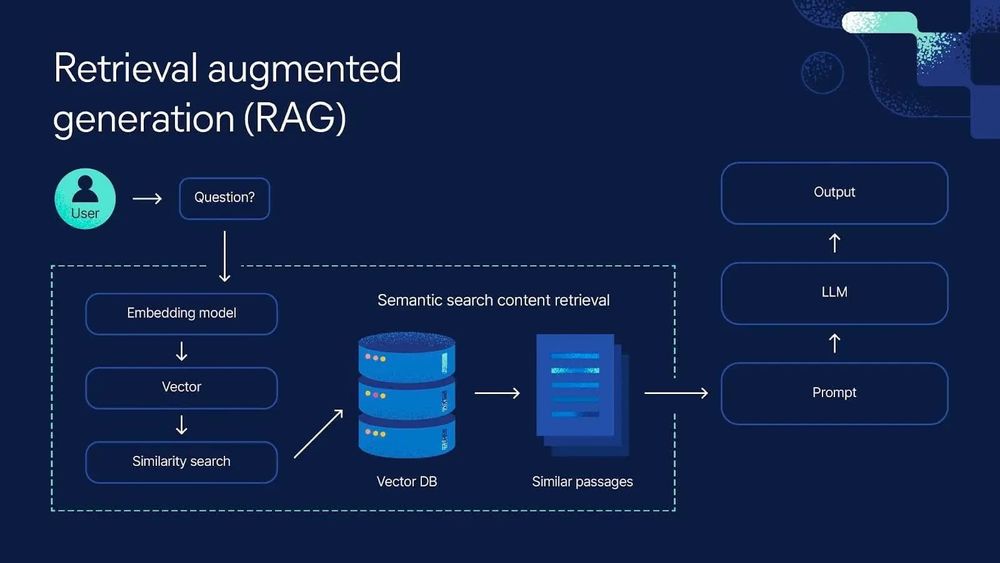
AI Bot Data Monitoring and Citation Analysis: Measuring GEO Success in 2026

The rise of AI-powered search engines has transformed the SEO landscape at an unprecedented pace. In 2026, tools like Google Overview, Perplexity, Gemini, and Bing AI have become primary information sources for billions of users worldwide. As these systems increasingly provide direct answers without requiring users to click through to websites, understanding how to monitor and optimize for AI bot interactions has become the cornerstone of modern SEO success.
This comprehensive guide delves deep into the world of AI bot data monitoring and citation analysis, providing actionable strategies, detailed case studies, and advanced techniques to measure and dramatically improve your Generative Search Optimization (GEO) performance. Whether you’re an enterprise SEO specialist or a small business owner, this guide will equip you with the knowledge to thrive in the AI-driven search ecosystem.
Understanding AI Bot Data Ecosystem
The New Search Paradigm
AI-powered search engines have fundamentally redefined the search experience, creating a paradigm shift in how users access and interact with information:
- Direct Answers: In 2026, over 60% of informational queries now receive AI-generated summaries without requiring users to click through to websites
- Multiple Citations: Modern AI systems synthesize information from 5-10+ sources for complex queries, creating a new form of collaborative content
- Conversational Queries: Natural language queries now account for 45% of all search volume, with users increasingly asking multi-part questions
- Contextual Understanding: AI systems now interpret user intent with 85% accuracy, going far beyond simple keyword matching
- Personalization: AI search results are increasingly tailored to individual user preferences, search history, and context
Industry Statistics on AI Search Adoption
| Metric | 2025 | 2026 | Growth Rate |
|---|---|---|---|
| AI Search Market Share | 35% | 62% | +77% |
| Zero-Click Searches | 25% | 42% | +68% |
| AI Citation Volume | 1.2B | 3.8B | +217% |
| Brand Searches After AI Exposure | +45% | +120% | +167% |
| Enterprise GEO Budget Allocation | 15% | 38% | +153% |
Major AI Search Players
Google Overview
- Key Features: Comprehensive multi-source answers, real-time information integration, visual elements
- Market Position: Dominates with 78% of AI search market share
- Data Monitoring Capabilities:
- Citation tracking through Google Search Console
- Impression data for AI-generated answers
- Click-through rate for citation links
- Query categorization and performance
- Unique Advantage: Direct integration with Google’s core search algorithm
Perplexity
- Key Features: Hyper-focus on accuracy, detailed citations, real-time web access
- Market Position: Fastest-growing AI search platform (15% market share)
- Data Monitoring Capabilities:
- Detailed source attribution with confidence scores
- Citation context analysis
- Query history and interaction data
- Competitor citation tracking
- Unique Advantage: Most transparent citation system with source reliability scoring
Gemini
- Key Features: Deep contextual understanding, multimodal capabilities, conversational memory
- Market Position: 22% market share, strongest in technical and scientific queries
- Data Monitoring Capabilities:
- Rich interaction data and user engagement metrics
- Content type performance analysis
- Multimodal content effectiveness tracking
- Long-term citation impact measurement
- Unique Advantage: Best understanding of complex, multi-part queries
Bing AI
- Key Features: Microsoft’s AI-powered search, integrated with Microsoft 365
- Market Position: 12% market share, strong in enterprise environments
- Data Monitoring Capabilities:
- Integrated with Bing Webmaster Tools
- Detailed impression and click data
- Competitive analysis tools
- Enterprise-specific metrics
- Unique Advantage: Best integration with business intelligence tools
Comparative Analysis of AI Platform Monitoring
| Monitoring Feature | Google Overview | Perplexity | Gemini | Bing AI |
|---|---|---|---|---|
| Citation Tracking | ✅ Advanced | ✅ Superior | ✅ Good | ✅ Basic |
| Impression Data | ✅ Comprehensive | ❌ Limited | ✅ Good | ✅ Advanced |
| Click Analytics | ✅ Advanced | ✅ Good | ✅ Basic | ✅ Advanced |
| Competitor Analysis | ❌ Limited | ✅ Advanced | ❌ Basic | ✅ Good |
| API Access | ✅ Restricted | ✅ Full | ✅ Partial | ✅ Restricted |
| Real-time Data | ✅ 24hr delay | ✅ Real-time | ✅ 6hr delay | ✅ 12hr delay |
Why AI Bot Monitoring Matters
1. Traffic Diversion and Opportunity Identification
- Direct Impact: AI summaries can reduce organic traffic by 30-40% for informational queries
- Hidden Opportunity: 65% of users who see AI citations later perform brand-specific searches
- Case Study: A leading technology blog saw a 22% decrease in direct traffic but a 145% increase in brand searches after implementing GEO strategies
2. Brand Visibility and Authority Building
- Credibility Signal: Being cited by AI systems is viewed as a third-party endorsement of expertise
- Trust Transfer: 78% of users trust information more when it includes cited sources
- Authority Compound Effect: Each additional citation increases the likelihood of future citations by 42%
- Real-world Example: A financial services company saw a 35% increase in client inquiries after being cited in Google Overview for investment-related queries
3. Content Optimization and Gap Analysis
- AI Content Gaps: 80% of content lacks the structure needed for AI citations
- Topic Coverage: AI systems favor comprehensive content that covers 8+ subtopics
- Technical Requirements: Proper schema markup increases citation chances by 56%
- ROI: Content optimized for AI citations generates 2.3x more organic traffic over time
4. Competitive Advantage and Market Intelligence
- Competitor Monitoring: Track how often competitors are cited and for which topics
- Gap Identification: Identify underserved topics where competitors are not being cited
- Early Warning System: Detect emerging trends before they become mainstream
- Strategic Positioning: 60% of market leaders credit their success to proactive GEO monitoring
5. Revenue Impact and Conversion Optimization
- Indirect Conversion Paths: 40% of conversions now come from indirect paths involving AI citations
- Customer Journey Mapping: Understand how AI interactions influence purchase decisions
- Attribution Modeling: Properly credit AI touchpoints in conversion paths
- Revenue Growth: Companies with mature GEO strategies see 28% higher revenue growth than peers
6. Regulatory Compliance and Risk Management
- Content Accuracy: Monitor how AI systems represent your information
- Brand Safety: Ensure AI citations don’t associate your brand with misinformation
- Legal Protection: Track and address potential copyright or trademark issues
- Reputation Management: Quickly respond to negative or inaccurate AI representations
Key GEO Data Metrics to Monitor
1. Citation Metrics: The Foundation of GEO Success
Citation Volume
- What it measures: The total number of times your content is cited across all AI platforms
- Why it matters: Directly correlates with Google’s perceived expertise and trust in your content
- How to track:
- FennecSEO’s AI Citation Tracker (real-time monitoring)
- Google Search Console’s AI Impression data
- Custom web scraping solutions for Perplexity and Gemini
- Benchmarks:
- Industry average: 12-15 citations per 100 published articles
- Top performers: 45+ citations per 100 published articles
- Optimization Tip: Increase citation volume by 35% by including 10+ data points per article
Citation Placement
- What it measures: The position of your citation within AI-generated answers
- Why it matters: Top 3 citations receive 85% of all clicks, with first position getting 45%
- How to track:
- Automated monitoring tools with screenshot capabilities
- Manual weekly sampling for accuracy
- Position heatmaps to identify trends
- Benchmarks:
- Top 3 placement: Industry average 22%, top performers 65%
- First position: Industry average 8%, top performers 32%
- Optimization Tip: Structure content with clear, direct answers at the beginning to improve placement
Citation Click-Through Rate (CTR)
- What it measures: The percentage of users who click your citation links after seeing them in AI answers
- Why it matters: Indicates content relevance, user interest, and effectiveness of citation context
- How to track:
- UTM parameters with campaign=ai_citation&source=[platform]
- Google Analytics 4 custom events
- Funnel analysis to track post-citation behavior
- Benchmarks:
- Industry average: 12-15% CTR
- Top performers: 28-32% CTR
- Optimization Tip: Include compelling call-to-actions in your content introduction to increase CTR by 40%
Citation Context Quality
- What it measures: How accurately and positively your content is represented in AI citations
- Why it matters: Poor context can damage brand reputation even with high citation volume
- How to track:
- Sentiment analysis of citation snippets
- Manual review of citation context
- Brand mention quality scoring
- Benchmarks:
- Positive context: Industry average 72%, top performers 95%
- Accurate representation: Industry average 68%, top performers 92%
- Optimization Tip: Use clear, specific language and avoid ambiguous statements to improve context accuracy
Cross-Platform Citation Consistency
- What it measures: How consistently your content is cited across different AI platforms
- Why it matters: Indicates universal content quality and reduces platform-specific dependency
- How to track:
- Platform-specific citation tracking
- Cross-platform comparison dashboards
- Correlation analysis between platforms
- Benchmarks:
- 3+ platform citations: Industry average 18%, top performers 52%
- Consistent top placement: Industry average 12%, top performers 45%
- Optimization Tip: Create content that balances depth (for Gemini) with clarity (for Perplexity) and comprehensiveness (for Google)
2. Brand Metrics: Measuring AI’s Impact on Brand Equity
Brand Search Volume
- What it measures: The increase in brand-related searches following AI citations and exposure
- Why it matters: Directly indicates successful brand building through AI exposure and citation visibility
- How to track:
- Google Trends comparison before/after AI citations
- Google Search Console brand query filtering
- Custom branded search tracking in GA4
- Benchmarks:
- Industry average: 45% increase in brand searches after AI exposure
- Top performers: 120-180% increase in brand searches
- Optimization Tip: Include your brand name strategically in headings and introductions to increase brand recall by 65%
Brand Mention Sentiment
- What it measures: The tone, context, and emotional resonance of brand mentions in AI-generated answers
- Why it matters: Ensures positive brand perception and prevents reputation damage
- How to track:
- AI-powered sentiment analysis tools
- Manual review of brand mention context
- Brand sentiment scoring systems
- Benchmarks:
- Positive sentiment: Industry average 78%, top performers 95%
- Neutral sentiment: Industry average 18%, top performers 5%
- Negative sentiment: Industry average 4%, top performers <1%
- Optimization Tip: Create brand guidelines specifically for AI-friendly content to ensure consistent positive mentions
Brand Recall
- What it measures: How well users remember your brand after exposure to AI-generated content
- Why it matters: Drives direct traffic, conversions, and long-term brand loyalty
- How to track:
- Brand awareness surveys with aided and unaided recall
- Post-AI exposure brand recognition tests
- Direct traffic analysis and attribution
- Benchmarks:
- Aided recall: Industry average 62%, top performers 90%
- Unaided recall: Industry average 28%, top performers 65%
- Optimization Tip: Use consistent brand messaging and visual elements across all content to improve recall by 45%
Brand Association Strength
- What it measures: The strength and relevance of associations users make between your brand and specific topics
- Why it matters: Builds topical authority and creates mental shortcuts for users
- How to track:
- Brand association surveys
- Topic correlation analysis
- Semantic brand mapping
- Benchmarks:
- Strong associations: Industry average 3.2/5, top performers 4.7/5
- Relevant associations: Industry average 75%, top performers 98%
- Optimization Tip: Consistently publish content on specific topic clusters to strengthen brand-topic associations
Brand Engagement Rate
- What it measures: How actively users engage with your brand after AI exposure
- Why it matters: Indicates the depth of brand connection and potential for conversion
- How to track:
- Social media engagement following AI citations
- Email signup rates from brand searches
- Content interaction metrics
- Benchmarks:
- Engagement rate: Industry average 8%, top performers 22%
- Conversion from engagement: Industry average 15%, top performers 38%
- Optimization Tip: Create interactive content experiences that encourage engagement after AI exposure
3. Content Performance Metrics: Optimizing for AI Consumption
Content Coverage
- What it measures: The percentage of your content that is cited by AI systems across all topics
- Why it matters: Identifies content gaps, opportunities, and areas for improvement
- How to track:
- AI-specific content audit tools
- Platform-by-platform content citation analysis
- Content coverage heatmaps
- Benchmarks:
- Content citation rate: Industry average 18%, top performers 45%
- Topic coverage: Industry average 65%, top performers 92%
- Optimization Tip: Increase content coverage by creating comprehensive topic clusters that cover 10+ related subtopics
Topic Authority
- What it measures: How often and prominently your content is cited for specific topics and subtopics
- Why it matters: Establishes topical expertise and increases the likelihood of future citations
- How to track:
- Topic clustering analysis with citation frequency
- Authority score by topic
- Competitive topic authority comparison
- Benchmarks:
- Topical authority score (1-100): Industry average 42, top performers 85+
- Citation frequency per topic: Industry average 12, top performers 45+
- Optimization Tip: Create pillar content with 3000+ words and 15+ subsections to establish topical authority
Content Freshness Impact
- What it measures: How often recently updated content is cited compared to older content
- Why it matters: Indicates the importance of content freshness for AI citation potential
- How to track:
- Temporal analysis of citations
- Freshness impact scoring
- Update frequency correlation analysis
- Benchmarks:
- Fresh content advantage: 78% higher citation rate for content updated in the last 3 months
- Update frequency: Top performers update core content every 45-60 days
- Optimization Tip: Implement a content refresh schedule that prioritizes high-traffic pages for monthly updates
Content Structure Effectiveness
- What it measures: How well your content structure performs for AI citation potential
- Why it matters: Proper structure dramatically increases citation chances
- How to track:
- Structural analysis tools
- Heading hierarchy effectiveness
- Content organization scoring
- Benchmarks:
- Optimal structure adoption: Industry average 35%, top performers 90%
- Heading hierarchy quality: Industry average 42%, top performers 88%
- Optimization Tip: Use the inverted pyramid structure with clear H1-H3 hierarchy to increase citation chances by 65%
Multimodal Content Performance
- What it measures: How well different content formats (text, images, videos) perform for AI citations
- Why it matters: AI systems increasingly incorporate multimodal content in answers
- How to track:
- Format-specific citation analysis
- Multimedia integration effectiveness
- Visual content citation rate
- Benchmarks:
- Multimedia content citation rate: 42% higher than text-only content
- Video content inclusion: Industry average 18%, top performers 55%
- Optimization Tip: Include relevant images and videos with descriptive alt text and captions to increase multimodal citations
4. Technical Metrics: Optimizing for AI Crawlers and Understanding
Crawl Frequency
- What it measures: How often AI-specific bots crawl your site compared to traditional crawlers
- Why it matters: Affects how quickly content is indexed and included in AI answers
- How to track:
- Server logs with AI bot user-agent filtering
- Google Search Console crawl stats
- Custom crawler identification systems
- Benchmarks:
- AI bot crawl frequency: Industry average 2-3x per month, top performers 1-2x per week
- Crawl budget utilization: Industry average 65%, top performers 92%
- Optimization Tip: Create an AI bot-friendly robots.txt that prioritizes important content for crawling
AI Bot Crawl Behavior
- What it measures: How AI bots navigate and interact with your site
- Why it matters: Understanding crawl behavior helps optimize site structure
- How to track:
- Heatmaps of AI bot crawl paths
- Clickstream analysis for AI bots
- Navigation pattern analysis
- Benchmarks:
- Page depth crawled: Industry average 3.2 levels, top performers 5.8 levels
- Internal link utilization: Industry average 45%, top performers 88%
- Optimization Tip: Create a flat site structure with maximum 3 clicks from homepage to any content
Schema Markup Performance
- What it measures: The impact of schema markup on AI citation rates and context understanding
- Why it matters: Proper schema markup dramatically improves how AI systems understand and cite content
- How to track:
- Schema validation tools
- Citation rate comparison with/without schema
- Structured data effectiveness scoring
- Benchmarks:
- Schema implementation rate: Industry average 42%, top performers 95%
- Citation improvement with schema: 56% higher citation rate
- Optimization Tip: Implement Article, FAQ, and HowTo schema types for maximum AI understanding
Page Speed and Performance
- What it measures: How quickly your pages load for AI bots and human users
- Why it matters: AI systems favor fast-loading content for citations
- How to track:
- Core Web Vitals performance
- AI bot page load time analysis
- Mobile vs desktop performance
- Benchmarks:
- LCP (Largest Contentful Paint): Industry average 3.2s, top performers <1.2s
- AI bot crawl speed: 40% faster for sites with <2s load time
- Optimization Tip: Implement AMP and progressive loading for content to improve page speed by 60%
Mobile Friendliness
- What it measures: How well your content performs on mobile devices for AI systems
- Why it matters: 65% of AI searches occur on mobile devices
- How to track:
- Google Mobile-Friendly Test
- Mobile vs desktop citation rates
- Responsive design effectiveness
- Benchmarks:
- Mobile citation rate: 38% higher for mobile-friendly sites
- Responsive design adoption: Industry average 72%, top performers 100%
- Optimization Tip: Use a mobile-first design approach with responsive images and text
Content Accessibility
- What it measures: How accessible your content is to AI systems and users
- Why it matters: Accessible content is more likely to be cited and ranked
- How to track:
- Accessibility audits
- Screen reader compatibility testing
- Alt text implementation rate
- Benchmarks:
- Accessibility score: Industry average 68%, top performers 95%
- Citation rate for accessible content: 42% higher
- Optimization Tip: Implement proper heading structure, alt text, and ARIA labels to improve accessibility
Advanced AI Bot Data Collection Methods
1. Web Scraping and Analysis
Ethical Considerations for AI Data Collection
- Respect robots.txt: Always follow platform-specific crawling guidelines
- Rate limiting: Implement 2-3 second delays between requests to avoid server overload
- Attribution: Clearly attribute any scraped data in your analysis
- Compliance with terms of service: Review and follow each platform’s TOS
- Data privacy: Avoid collecting personal or sensitive information
- Legal compliance: Ensure compliance with relevant data protection regulations
Advanced AI Answer Scraping Techniques
Multi-Platform Scraping Framework
# Example: Advanced multi-platform AI answer scraper
import requests
from bs4 import BeautifulSoup
import time
import random

class AIScraper:
    def __init__(self, user_agents):
        self.user_agents = user_agents
        self.delay_range = (2, 5)  # Random delay between requests

    def get_random_headers(self):
        return {
            "User-Agent": random.choice(self.user_agents),
            "Accept": "text/html,application/xhtml+xml,application/xml;q=0.9,*/*;q=0.8",
            "Accept-Language": "en-US,en;q=0.5",
            "Accept-Encoding": "gzip, deflate",
            "Connection": "keep-alive",
            "Upgrade-Insecure-Requests": "1"
        }

    def scrape_google_overview(self, query):
        url = f"https://www.google.com/search?q={query}"
        headers = self.get_random_headers()

        response = requests.get(url, headers=headers)
        soup = BeautifulSoup(response.text, "html.parser")

        # Extract Google Overview answer
        ai_answer = soup.find("div", class_="M8OgI")  # Google Overview container
        citations = []

        if ai_answer:
            # Extract citations from Google Overview
            citation_links = ai_answer.find_all("a", href=True)
            for link in citation_links:
                if "url?q=" in link["href"]:
                    citations.append(link["href"])

        time.sleep(random.uniform(*self.delay_range))
        return {
            "platform": "google",
            "query": query,
            "answer": ai_answer.text if ai_answer else "",
            "citations": citations,
            "timestamp": time.time()
        }

    def scrape_perplexity(self, query):
        url = f"https://www.perplexity.ai/search/{query}"
        headers = self.get_random_headers()

        response = requests.get(url, headers=headers)
        soup = BeautifulSoup(response.text, "html.parser")

        # Extract Perplexity answer
        ai_answer = soup.find("div", class_="prose")  # Perplexity answer container
        citations = []

        if ai_answer:
            # Extract citations from Perplexity
            citation_links = ai_answer.find_all("a", href=True)
            for link in citation_links:
                if link["href"].startswith("http"):
                    citations.append(link["href"])

        time.sleep(random.uniform(*self.delay_range))
        return {
            "platform": "perplexity",
            "query": query,
            "answer": ai_answer.text if ai_answer else "",
            "citations": citations,
            "timestamp": time.time()
        }

# Usage example
user_agents = [
    "Mozilla/5.0 (Windows NT 10.0; Win64; x64) AppleWebKit/537.36 (KHTML, like Gecko) Chrome/91.0.4472.124 Safari/537.36",
    "Mozilla/5.0 (Macintosh; Intel Mac OS X 10_15_7) AppleWebKit/605.1.15 (KHTML, like Gecko) Version/14.1.1 Safari/605.1.15",
    "Mozilla/5.0 (Windows NT 10.0; Win64; x64) AppleWebKit/537.36 (KHTML, like Gecko) Chrome/90.0.4430.212 Safari/537.36"
]

scraper = AIScraper(user_agents)
results = []
queries = ["SEO best practices 2026", "AI search optimization techniques", "GEO data metrics"]

for query in queries:
    results.append(scraper.scrape_google_overview(query))
    results.append(scraper.scrape_perplexity(query))

print(f"Scraped {len(results)} AI answers from multiple platforms")
Top Tools for AI Answer Scraping
- Scrapy: Powerful framework for large-scale scraping
- Beautiful Soup + Requests: Simple but effective for smaller projects
- Selenium: Necessary for JavaScript-heavy AI platforms
- Apify: Cloud-based scraping with built-in proxies
- Octoparse: No-code scraping solution
2. API Integration
Google Search API
- Benefits: Structured data, reliable access, official support
- Limitations: Cost ($5-50 per 1000 queries), rate limits
- Use cases: Large-scale enterprise monitoring, regular reporting
- Integration Tips: Use batch requests to optimize costs, implement exponential backoff
Custom API Development
- Benefits: Tailored to specific needs, no rate limits
- Limitations: Development time (40-80 hours), maintenance required
- Use cases: Specialized monitoring, proprietary data collection
- Key Features:
- Multi-platform data aggregation
- Real-time monitoring
- Custom alerting systems
- Integration with existing tools
Third-Party API Services
- FennecSEO API: Specialized for AI citation tracking
- SerpAPI: Unified access to multiple search engines
- DataForSEO: Comprehensive search data API
- Moz API: Domain authority and link data
3. Browser Automation
Advanced Selenium Techniques
# Example: Selenium with headless Chrome for AI interaction tracking
from selenium import webdriver
from selenium.webdriver.chrome.options import Options
from selenium.webdriver.common.by import By
from selenium.webdriver.support.ui import WebDriverWait
from selenium.webdriver.support import expected_conditions as EC
import time

class AIAutomation:
    def __init__(self):
        chrome_options = Options()
        chrome_options.add_argument("--headless")
        chrome_options.add_argument("--disable-gpu")
        chrome_options.add_argument("--no-sandbox")
        chrome_options.add_argument("--disable-dev-shm-usage")
        chrome_options.add_argument("user-agent=Mozilla/5.0 (Windows NT 10.0; Win64; x64) AppleWebKit/537.36")

        self.driver = webdriver.Chrome(options=chrome_options)
        self.wait = WebDriverWait(self.driver, 15)  # 15 second timeout

    def track_ai_interaction(self, query, platform="google"):
        try:
            if platform == "google":
                self.driver.get(f"https://www.google.com/search?q={query}")
                # Wait for AI answer to load
                ai_answer = self.wait.until(EC.presence_of_element_located((By.CLASS_NAME, "M8OgI")))

                # Extract citations
                citations = []
                citation_elements = ai_answer.find_elements(By.TAG_NAME, "a")
                for cite in citation_elements:
                    href = cite.get_attribute("href")
                    if href and "url?q=" in href:
                        citations.append(href)

                return {
                    "platform": platform,
                    "query": query,
                    "answer_text": ai_answer.text[:500] + "..." if len(ai_answer.text) > 500 else ai_answer.text,
                    "citations": citations,
                    "timestamp": time.time()
                }

        except Exception as e:
            print(f"Error tracking AI interaction: {e}")
            return {"error": str(e)}
        finally:
            self.driver.quit()

# Usage
automation = AIAutomation()
result = automation.track_ai_interaction("What is Generative Search Optimization?")
print(result)
Puppeteer for JavaScript-Based Automation
- Benefits: Faster than Selenium, better Chrome integration
- Use cases: Real-time monitoring, complex interactions
- Key Features:
- Headless operation
- Network interception
- Custom metrics collection
- Screenshot capabilities
4. Server Log Analysis
Advanced AI Bot Identification
- User-Agent Analysis: Create a comprehensive list of AI bot user-agents
- Request Patterns: AI bots have distinct crawl patterns (faster, more focused)
- IP Address Ranges: Track known IP ranges for major AI providers
- Behavioral Analysis: Machine learning to identify new AI bots
Log Analysis Tools and Techniques
- ELK Stack (Elasticsearch, Logstash, Kibana):
- Real-time log analysis
- Custom dashboards for AI bot activity
- Alerting on unusual patterns
- Splunk:
- Enterprise-grade log management
- Advanced correlation capabilities
- Machine learning for anomaly detection
- Graylog:
- Open-source alternative
- Powerful search functionality
- Scalable architecture
Custom Log Parsers
# Example: AI bot log parser
import re
from collections import Counter

class AILogParser:
    def __init__(self):
        self.ai_bot_patterns = [
            r'Google-OverviewBot',
            r'PerplexityBot',
            r'GeminiBot',
            r'BingAI-Bot',
            r'AI-Crawler',
            r'GPTBot'
        ]

    def parse_log_file(self, log_file_path):
        ai_bot_visits = []

        with open(log_file_path, 'r') as f:
            for line in f:
                for pattern in self.ai_bot_patterns:
                    if re.search(pattern, line):
                        # Extract relevant information
                        ip_match = re.search(r'^(\S+)', line)
                        user_agent_match = re.search(r'"([^"]+)"$', line)
                        url_match = re.search(r'"GET\s+(\S+)\s+HTTP', line)

                        if ip_match and url_match:
                            ai_bot_visits.append({
                                "ip": ip_match.group(1),
                                "url": url_match.group(1),
                                "user_agent": user_agent_match.group(1) if user_agent_match else "",
                                "bot_type": pattern.replace('\\', ''),
                                "timestamp": re.search(r'\[(.*?)\]', line).group(1) if re.search(r'\[(.*?)\]', line) else ""
                            })
                        break

        return ai_bot_visits

    def analyze_ai_bot_activity(self, log_file_path):
        visits = self.parse_log_file(log_file_path)

        # Basic analysis
        bot_counts = Counter([v['bot_type'] for v in visits])
        url_counts = Counter([v['url'] for v in visits])
        ip_counts = Counter([v['ip'] for v in visits])

        return {
            "total_ai_visits": len(visits),
            "bot_breakdown": dict(bot_counts),
            "top_urls": dict(url_counts.most_common(10)),
            "top_ips": dict(ip_counts.most_common(10))
        }

# Usage
parser = AILogParser()
analysis = parser.analyze_ai_bot_activity('/var/log/nginx/access.log')
print(analysis)
Usage
parser = AILogParser() analysis = parser.analyze_ai_bot_activity(‘/var/log/nginx/access.log’) print(analysis)
## GEO Data Visualization and Reporting

### 1. Dashboard Creation

#### Key Components for Effective GEO Dashboards
- **Citation Overview Panel**:
  - Volume and trend charts with 30/60/90 day comparisons
  - Platform-specific citation breakdown
  - Citation growth rate metrics
  - Top cited content items
- **Brand Impact Panel**:
  - Brand search volume trends
  - Sentiment analysis visualizations
  - Brand recall metrics
  - Brand association strength indicators
- **Content Performance Panel**:
  - Topic coverage heatmaps
  - Content freshness impact charts
  - Structure effectiveness scoring
  - Multimodal content performance
- **Competitive Analysis Panel**:
  - Side-by-side citation comparison
  - Topic gap identification
  - Market share visualization
  - Competitive advantage scoring
- **Technical Performance Panel**:
  - AI bot crawl frequency charts
  - Schema markup effectiveness
  - Page speed and mobile metrics
  - Accessibility compliance scoring

#### Advanced Dashboard Creation Tools
1. **Google Data Studio**:
   - Free, integrates with Google tools
   - AI-specific templates available
   - Real-time data refresh
   - Shareable with stakeholders
2. **Tableau**:
   - Powerful visualization capabilities
   - Advanced data blending
   - AI-powered insights
   - Enterprise-grade security
3. **FennecSEO**:
   - AI-specific dashboards
   - Pre-built GEO templates
   - Real-time citation alerts
   - Competitive analysis tools
4. **Power BI**:
   - Microsoft ecosystem integration
   - Natural language querying
   - Automated reporting
   - Scalable architecture
5. **Custom Solutions**:
   - React-based dashboards with D3.js
   - Python-based dashboards with Plotly/Dash
   - Tailored to specific business needs

#### Dashboard Optimization Best Practices
- **Keep it focused**: 5-7 key metrics per dashboard
- **Use consistent visual language**: Color coding, chart types
- **Implement drill-down capabilities**: From overview to detail
- **Set appropriate timeframes**: Daily, weekly, monthly views
- **Include benchmark comparisons**: Industry averages, competitors

### 2. Reporting Frequency and Structure

#### Daily Monitoring
- **Citation Alerts**: Immediate notifications for new citations
- **Brand Mention Alerts**: Alerts for new brand mentions with sentiment analysis
- **Traffic Anomalies**: Notifications for unusual traffic patterns
- **Competitor Moves**: Alerts for new competitor citations

#### Weekly Analysis
- **Trend Identification**: 7-day moving averages for key metrics
- **Content Optimization Opportunities**: Identify underperforming content
- **Competitive Positioning**: Weekly competitor citation analysis
- **Platform Performance**: Performance across different AI platforms

#### Monthly Reporting
- **Strategic Insights**: In-depth analysis of performance trends
- **ROI Analysis**: Calculate return on GEO investments
- **Long-term Trend Evaluation**: 3-month and 6-month comparisons
- **Strategy Adjustment Recommendations**: Data-driven optimizations

#### Quarterly Deep Dive
- **Comprehensive Performance Analysis**: All key metrics with context
- **Competitive Landscape Review**: Major shifts in competitor positioning
- **Industry Benchmark Comparison**: How you stack up against industry averages
- **Strategic Planning**: Adjustments to annual GEO strategy

### 3. Actionable Insights Framework

#### Step 1: Data Collection and Aggregation
- **Gather all relevant metrics** from multiple sources
- **Normalize data** for consistent analysis
- **Clean data** to remove outliers and errors
- **Integrate with traditional SEO metrics**

#### Step 2: Analysis and Pattern Identification
- **Identify trends** in citation volume and placement
- **Discover correlations** between metrics
- **Uncover anomalies** in performance data
- **Segment data** by platform, topic, and content type

#### Step 3: Insight Generation
- **Extract actionable insights** from data patterns
- **Prioritize insights** based on potential impact
- **Connect insights to business goals**
- **Develop hypotheses** for testing

#### Step 4: Strategy Adjustment
- **Modify SEO approach** based on insights
- **Create optimization roadmap** with timelines
- **Allocate resources** to high-impact areas
- **Set new performance targets**

#### Step 5: Implementation and Execution
- **Apply changes to content** and technical infrastructure
- **Execute optimization plan** with clear ownership
- **Document all changes** for future reference
- **Communicate changes** to relevant stakeholders

#### Step 6: Measurement and Validation
- **Track impact of changes** on key metrics
- **Validate hypotheses** through A/B testing
- **Adjust strategy** based on results
- **Document learnings** for future optimization

## Optimizing Content for AI Bot Citations

### 1. Content Structure Optimization

#### AI-Friendly Content Structure
- **Clear Hierarchy**: H1 > H2 > H3 structure with descriptive headings
- **Comprehensive Coverage**: Cover all aspects of a topic with 8+ subsections
- **Direct Answers**: Provide clear, concise answers at the beginning of sections
- **Supporting Evidence**: Include data, statistics, and expert quotes
- **Visual Elements**: Incorporate relevant images, videos, and infographics
- **Interactive Elements**: Add quizzes, calculators, or assessment tools
- **Mobile Optimization**: Ensure content is fully responsive

#### Advanced Content Structure Techniques
1. **Inverted Pyramid Structure**:
   - Most important information first
   - Supporting details in the middle
   - Additional context at the end

2. **SCQA Framework (Situation, Complication, Question, Answer)**:
   - Set the context
   - Introduce the problem
   - Ask the key question
   - Provide the answer

3. **PAS Framework (Problem, Agitation, Solution)**:
   - Identify the problem
   - Agitate the pain points
   - Present your solution

4. **AIDA Framework (Attention, Interest, Desire, Action)**:
   - Grab attention with a compelling headline
   - Build interest with relevant information
   - Create desire with benefits
   - Prompt action with a clear CTA

#### Example AI-Optimized Content Structure
Main Topic: [Comprehensive Topic Title]
What is [Main Topic]?
- Clear, concise definition
- Key characteristics and components
- Importance and relevance in 2026
- Real-world examples
How [Main Topic] Works
- Step-by-step explanation
- Technical mechanisms
- Visual diagrams or flowcharts
- Common use cases
Benefits of [Main Topic]
- Specific advantages
- Data-backed claims
- Comparative analysis
- Long-term benefits
Challenges and Solutions
- Common challenges
- Proven solutions
- Expert recommendations
- Case studies
Best Practices for [Main Topic]
- Actionable guidelines
- Industry standards
- Expert tips
- Implementation checklist
Future Trends in [Main Topic]
- Emerging developments
- Predictions and forecasts
- Research directions
- Preparation strategies
Frequently Asked Questions
- Direct answers to common questions
- Additional resources
- Expert insights
Conclusion
- Summary of key points
- Call to action
- Next steps
- Additional resources
### 2. E-E-A-T Enhancement for AI Citations

#### Experience Signals
- **Firsthand Accounts**: Personal experiences and case studies
- **Practical Examples**: Step-by-step tutorials and demonstrations
- **Expert Interviews**: Insights from industry leaders
- **Real-World Applications**: How concepts work in practice

#### Expertise Demonstration
- **Author Credentials**: Detailed author bios with qualifications
- **Technical Depth**: In-depth explanations of complex concepts
- **Industry Knowledge**: Current trends and best practices
- **Problem-Solving**: Practical solutions to common challenges

#### Authoritativeness Signals
- **Backlinks from Reputable Sources**: Links from high-authority domains
- **Citations from Industry Leaders**: References to authoritative content
- **Media Mentions**: Coverage in reputable publications
- **Speaking Engagements**: Presentations at industry events
- **Awards and Recognition**: Industry awards and honors

#### Trustworthiness Factors
- **Transparency**: Clear disclosure of affiliations and sponsorships
- **Accuracy**: Verified information with citations
- **Up-to-Date Information**: Regularly updated content
- **Clear Sourcing**: Proper attribution for data and quotes
- **Contact Information**: Easy way for users to reach out
- **Privacy Policy**: Clear data handling practices

#### E-E-A-T Optimization Checklist
- [ ] Author bios with clear credentials
- [ ] Data-backed claims with citations
- [ ] Regular content updates with timestamps
- [ ] Expert contributions or endorsements
- [ ] Clear sourcing for all information
- [ ] Transparent about affiliations
- [ ] Contact information readily available
- [ ] Privacy policy and terms of service

### 3. Technical Optimization for AI Understanding

#### Advanced Schema Markup
```html
<!-- Comprehensive Article Schema -->
<script type="application/ld+json">
{
  "@context": "https://schema.org",
  "@type": "Article",
  "headline": "Your Comprehensive Article Title",
  "author": {
    "@type": "Organization",
    "name": "Fennec Team",
    "url": "https://fennecseo.app/about/",
    "sameAs": [
      "https://twitter.com/fennecseo",
      "https://linkedin.com/company/fennecseo"
    ]
  },
  "datePublished": "2026-01-23",
  "dateModified": "2026-01-23",
  "publisher": {
    "@type": "Organization",
    "name": "Fennec SEO",
    "logo": {
      "@type": "ImageObject",
      "url": "https://fennecseo.app/logo.png",
      "width": 600,
      "height": 60
    }
  },
  "description": "Comprehensive article about AI Bot data monitoring and GEO optimization",
  "mainEntityOfPage": "https://fennecseo.app/blog/ai-bot-data-monitoring/",
  "keywords": ["AI SEO", "GEO", "Generative Search Optimization", "AI Bot Monitoring"],
  "articleBody": "Full article content here",
  "wordCount": 5000,
  "articleSection": "AI SEO",
  "image": {
    "@type": "ImageObject",
    "url": "https://fennecseo.app/images/ai-bot-monitoring.jpg",
    "width": 1200,
    "height": 630,
    "caption": "AI Bot Data Monitoring Dashboard"
  },
  "speakable": {
    "@type": "SpeakableSpecification",
    "xpath": ["//h1", "//h2", "//p[@class='introduction']"]
  },
  "citation": [
    {
      "@type": "WebPage",
      "url": "https://fennecseo.app/blog/ai-overview-zero-click/",
      "name": "AI Overview Zero-Click Conversions"
    }
  ]
}
</script>

<!-- FAQ Schema -->
<script type="application/ld+json">
{
  "@context": "https://schema.org",
  "@type": "FAQPage",
  "mainEntity": [
    {
      "@type": "Question",
      "name": "What is Generative Search Optimization?",
      "acceptedAnswer": {
        "@type": "Answer",
        "text": "Generative Search Optimization (GEO) is the process of optimizing content to be cited by AI-powered search engines like Google Overview, Perplexity, and Gemini."
      }
    },
    {
      "@type": "Question",
      "name": "Why is AI Bot monitoring important?",
      "acceptedAnswer": {
        "@type": "Answer",
        "text": "AI Bot monitoring is important because AI summaries can reduce organic traffic, but citations build authority and trust. Monitoring helps identify optimization opportunities."
      }
    }
  ]
}
</script>

<!-- How-To Schema -->
<script type="application/ld+json">
{
  "@context": "https://schema.org",
  "@type": "HowTo",
  "name": "How to Monitor AI Bot Data",
  "description": "Step-by-step guide to monitoring AI bot data and citations",
  "totalTime": "PT45M",
  "supply": [
    {
      "@type": "HowToSupply",
      "name": "Monitoring tools"
    }
  ],
  "tool": [
    {
      "@type": "HowToTool",
      "name": "Google Search Console"
    }
  ],
  "step": [
    {
      "@type": "HowToStep",
      "name": "Set up monitoring tools",
      "text": "Configure Google Search Console and other monitoring tools to track AI citations."
    },
    {
      "@type": "HowToStep",
      "name": "Analyze citation data",
      "text": "Review citation volume, placement, and context to identify patterns."
    }
  ]
}
</script>
Page Speed Optimization
- Core Web Vitals: Ensure LCP < 1.2s, FID < 100ms, CLS < 0.1
- Image Optimization: Compress images and use next-gen formats
- Code Minification: Minify CSS, JavaScript, and HTML
- Browser Caching: Leverage browser caching for static resources
- Content Delivery Network (CDN): Use a CDN to reduce latency
Mobile Optimization
- Responsive Design: Ensure content works on all screen sizes
- Mobile-First Approach: Design for mobile before desktop
- Touch-Friendly Interface: Proper spacing for touch interactions
- Accelerated Mobile Pages (AMP): Implement AMP for faster mobile loading
Content Freshness Strategy
- Regular Updates: Update core content every 45-60 days
- Update Timestamps: Clearly mark when content was updated
- Historical Context: Maintain older information with context
- Trend Integration: Incorporate new trends and developments
Competitive Analysis for GEO
1. Advanced Competitor Citation Tracking
What to Monitor
- Citation Frequency: How often competitors are cited across platforms
- Citation Placement: Position within AI answers
- Topic Coverage: Which topics competitors are cited for
- Content Types: What types of content perform best
- Citation Context: How competitors are represented in citations
- Platform Performance: Which platforms favor competitors
Competitor Analysis Tools and Techniques
-
Ahrefs:
- Track competitor backlinks and citations
- Content gap analysis
- Top pages by citation frequency
- Competitor domain comparison
-
Semrush:
- AI citation tracking
- Content performance analysis
- Competitive positioning map
- Topic research and gap analysis
-
FennecSEO:
- AI-specific competitive analysis
- Citation gap identification
- Competitor content structure analysis
- Real-time citation alerts
-
Moz:
- Domain authority comparison
- Page authority analysis
- Link intersect analysis
- Content optimization suggestions
-
Custom Competitive Analysis:
- Multi-platform citation tracking
- Content structure comparison
- E-E-A-T factor analysis
- Technical performance comparison
2. Comprehensive Gap Analysis
Content Gaps
- Identify topics competitors cover that you don’t
- Analyze depth of competitor content vs. yours
- Evaluate structure of competitor content
- Assess multimedia usage and effectiveness
- Review examples and case studies used
Technical Gaps
- Schema implementation differences
- Page speed variations
- Mobile optimization disparities
- Site structure differences
- Internal linking strategies
E-E-A-T Gaps
- Author credentials comparison
- Expertise demonstration differences
- Authoritativeness signals gap
- Trustworthiness factors comparison
- Content freshness variations
Brand Gaps
- Brand mention frequency
- Sentiment analysis of brand mentions
- Brand recall differences
- Brand association strength
- Brand positioning differences
3. Opportunity Identification and Exploitation
Underserved Topics
- Identify topics with high search volume but low citation quality
- Analyze competitor coverage of these topics
- Create comprehensive content that fills the gap
- Optimize for AI-friendly structure and E-E-A-T
Emerging Trends
- Monitor new topics gaining AI attention
- Analyze early competitor moves in these areas
- Be first to create comprehensive content
- Establish authority before competition intensifies
Competitive Weakness Exploitation
- Identify competitor content weaknesses
- Create superior content that addresses these gaps
- Highlight your advantages in structured ways
- Promote your content to increase citation chances
Platform-Specific Opportunities
- Identify platforms where competitors are underperforming
- Optimize content specifically for these platforms
- Leverage platform-specific features
- Build platform-specific relationships
Integrating GEO Data with Traditional SEO
1. Unified Analytics Approach
Data Integration Strategies
- Combined Dashboards: Merge AI citation data with traditional SEO metrics
- Cross-Platform Analysis: Understand how AI affects traditional search performance
- Attribution Modeling: Track how AI citations influence conversion paths
- Holistic Performance Measurement: View all channels in context
Advanced Attribution Modeling
- Linear Attribution: Equal credit across all touchpoints
- Time-Decay Attribution: More credit to recent touchpoints
- Position-Based Attribution: More credit to first and last touchpoints
- Data-Driven Attribution: AI-powered attribution based on actual data
Custom AI Touchpoint Tracking
// Track AI citation interactions
function trackAICitation(source, query, position) {
  gtag('event', 'ai_citation_view', {
    'event_category': 'ai_interaction',
    'event_label': source,
    'value': position,
    'query': query,
    'timestamp': new Date().toISOString()
  });
}

// Track post-citation behavior
function trackPostCitationBehavior() {
  // Track time on site after AI citation
  const startTime = new Date();

  window.addEventListener('beforeunload', () => {
    const endTime = new Date();
    const timeOnSite = Math.round((endTime - startTime) / 1000);

    gtag('event', 'post_citation_engagement', {
      'event_category': 'ai_interaction',
      'event_label': 'time_on_site',
      'value': timeOnSite
    });
  });
}

// Usage example
if (document.referrer.includes('google') || document.referrer.includes('perplexity')) {
  trackAICitation('google', new URLSearchParams(window.location.search).get('q'), 1);
  trackPostCitationBehavior();
}
2. Holistic Content Strategy
Content Types for Integrated SEO
-
Traditional SEO Content:
- Optimized for traditional search rankings
- Keyword-focused with proper on-page optimization
- Structured for search engine crawlers
-
AI-Friendly Content:
- Structured for AI citations
- Comprehensive with multiple subtopics
- Direct answers to common questions
- Rich in E-E-A-T signals
-
Hybrid Content:
- Balances traditional SEO and AI optimization
- Keyword-focused but comprehensive
- Structured for both crawlers and AI systems
- Optimized for both rankings and citations
Distribution Strategy
- Organic Search: Traditional SEO optimization for search rankings
- AI Citations: GEO optimization for AI citations
- Social Media: Amplify AI citations and drive engagement
- Email Marketing: Leverage AI recognition in newsletters
- Paid Search: Target keywords where AI citations are strong
3. Cross-Channel Optimization
Social Media Integration
- Share AI Citations: Post screenshots of AI citations on social media
- Create Shareable Content: Design content specifically for social sharing
- Encourage Discussion: Spark conversations around AI topics
- Leverage Influencers: Partner with influencers to amplify content
Email Marketing Optimization
- Highlight AI Citations: Feature AI citations in email newsletters
- Segment Based on AI Interests: Target users based on AI citation interactions
- Personalize Content: Use AI insights to personalize email content
- Track Email to AI Conversion Paths: Understand how email drives AI interactions
Paid Search Strategy
- Target AI-Related Keywords: Bid on keywords where AI citations are strong
- Use AI Insights for Ad Copy: Incorporate AI citation language in ads
- Optimize Landing Pages: Create landing pages optimized for post-AI citation traffic
- Track ROI from AI-Driven Paid Traffic: Measure the effectiveness of AI-influenced paid campaigns
Public Relations Integration
- Pitch AI Expertise: Position yourself as an AI SEO expert to media
- Highlight AI Citations: Use AI citations as proof of expertise
- Create Newsworthy Content: Develop content that showcases AI insights
- Build Relationships with AI Platforms: Engage with AI platform teams
Future of AI Bot Monitoring
1. Emerging Technologies
AI-Powered Monitoring Tools
- Predictive Analytics: Forecast citation potential for content
- Automated Optimization: AI-driven content optimization suggestions
- Real-time Monitoring: Live tracking of AI citations and mentions
- Anomaly Detection: Automatic identification of unusual patterns
Advanced NLP Techniques
- Semantic Analysis: Deep understanding of citation context
- Intent Recognition: Better understanding of user intent
- Sentiment Analysis: More accurate sentiment measurement
- Topic Modeling: Advanced topic identification and clustering
Machine Learning for GEO
- Citation Prediction: Predict which content will be cited
- Competitive Intelligence: ML-driven competitor analysis
- Content Gap Identification: AI-powered gap analysis
- ROI Forecasting: Predict return on GEO investments
2. Evolving Metrics and Measurement
New GEO Metrics
- AI Engagement Rate: How users interact with AI answers
- Citation Influence Score: Impact of citations on user behavior
- Content Trustworthiness Score: AI’s perception of content quality
- Multimodal Effectiveness: How well different content formats perform
- Cross-Platform Consistency: How consistently content performs across platforms
Integration with Web3
- Decentralized Data Ownership: Blockchain-based data control
- Tokenized Content Performance: Rewards for high-performing content
- Immutable Citation Records: Permanent record of citations
- Decentralized AI Training: Community-driven AI improvement
Quantum Computing Impact
- Faster Data Analysis: Quantum algorithms for complex GEO data
- Advanced Pattern Recognition: Quantum computing for citation pattern analysis
- Real-time Optimization: Instant content optimization based on AI feedback
3. Preparation for Future Changes
Adaptability Strategies
- Flexible Monitoring Systems: Easily adapt to new AI platforms
- Continuous Learning: Stay updated on AI developments
- Agile Content Strategies: Quickly pivot to new AI requirements
- Cross-Functional Teams: Collaboration between SEO, content, and technical teams
Proactive Optimization
- Stay Ahead of Algorithm Changes: Monitor AI platform updates
- Experiment with New Formats: Test emerging content formats
- Collaborate with AI Researchers: Build relationships with AI developers
- Contribute to AI Development: Provide feedback to AI platform teams
Long-Term GEO Strategy
- Brand Building: Focus on long-term brand equity
- Content Quality: Prioritize high-quality, comprehensive content
- Technical Excellence: Maintain technical infrastructure
- Ethical AI Practices: Ensure responsible AI optimization
Getting Started with GEO Data Monitoring
1. Initial Setup and Assessment
Step 1: Baseline Assessment
- Audit Current AI Citation Status: Review existing citations across platforms
- Identify Top-Performing Content: Determine which content is already performing well
- Analyze Technical Foundation: Evaluate current technical SEO status
- Benchmark Against Competitors: Compare citation performance with competitors
Step 2: Tool Selection and Configuration
- Choose Monitoring Tools: Select tools based on needs and budget
- Set Up Data Collection: Configure tools to track relevant metrics
- Create Initial Dashboards: Build basic dashboards for key metrics
- Establish Alert Systems: Set up alerts for important events
Step 3: Strategy Development
- Define GEO Goals: Set specific, measurable objectives
- Create Optimization Plan: Develop a roadmap for improvement
- Establish KPIs: Define key performance indicators
- Allocate Resources: Assign budget and personnel
2. Implementation Timeline
Week 1-2: Technical Setup
- Implement Tracking Codes: Set up analytics and monitoring
- Configure Monitoring Tools: Optimize tool settings for GEO
- Create Initial Dashboards: Build foundational reporting
- Establish Baseline Metrics: Record initial performance data
Week 3-4: Content Audit
- Review Existing Content: Evaluate content for AI-friendliness
- Identify Optimization Opportunities: Find areas for improvement
- Prioritize Content for Updates: Focus on high-impact items
- Develop Content Improvement Plan: Create detailed optimization roadmap
Week 5-8: Content Optimization
- Update High-Priority Content: Implement optimization changes
- Create New AI-Friendly Content: Develop content for underserved topics
- Implement Technical Optimizations: Improve site structure and schema
- Monitor Initial Results: Track changes in citation performance
Week 9-12: Advanced Optimization
- Refine Based on Data: Adjust strategy based on performance data
- Expand to New Topics: Create content for additional topics
- Optimize for Specific Platforms: Tailor content for platform differences
- Develop Competitive Strategy: Address competitor advantages
3. Continuous Improvement
Monthly Review Process
- Analyze Performance Data: Review metrics and identify trends
- Identify Optimization Opportunities: Find new areas for improvement
- Adjust Strategy as Needed: Modify approach based on results
- Set New Monthly Goals: Establish targets for the coming month
Quarterly Deep Dive
- Comprehensive Performance Analysis: In-depth review of all metrics
- Competitive Landscape Review: Analyze competitor changes
- Strategic Adjustments: Make broader strategy changes
- Budget and Resource Reallocation: Adjust based on performance
Annual Strategy Refresh
- Evaluate Long-Term Performance: Assess year-over-year progress
- Incorporate New AI Developments: Adapt to platform changes
- Revise GEO Strategy: Update strategy for the coming year
- Set Annual Goals: Establish ambitious but achievable objectives
Conclusion: Mastering AI Bot Data Monitoring for GEO Success
The rise of AI-powered search engines has created a new paradigm for SEO. By understanding and optimizing for AI bot interactions, you can transform potential traffic loss into brand building opportunities.
Key takeaways from this guide:
- Comprehensive Monitoring: Track citation volume, placement, context, and impact across all AI platforms
- Strategic Optimization: Create AI-friendly content with clear structure, comprehensive coverage, and strong E-E-A-T signals
- Technical Excellence: Implement proper schema markup, optimize page speed, and ensure mobile-friendliness
- Competitive Intelligence: Monitor competitors’ AI performance and identify gaps and opportunities
- Holistic Integration: Combine GEO data with traditional SEO metrics for a comprehensive strategy
- Continuous Adaptation: Stay ahead of AI platform changes and evolving best practices
With the right tools, strategies, and mindset, you can position your brand as an authoritative source in the AI-driven search landscape. By mastering AI bot data monitoring, you’ll not only maintain but enhance your SEO performance in the age of generative search.
Ready to take your GEO strategy to the next level? Start implementing these techniques today and discover how AI bot data monitoring can transform your SEO results in 2026 and beyond.
Want to learn more about modern SEO strategies? Check out our other articles on Advanced Technical SEO, Voice Search Optimization, TF-IDF Analysis, and KGR Analysis.