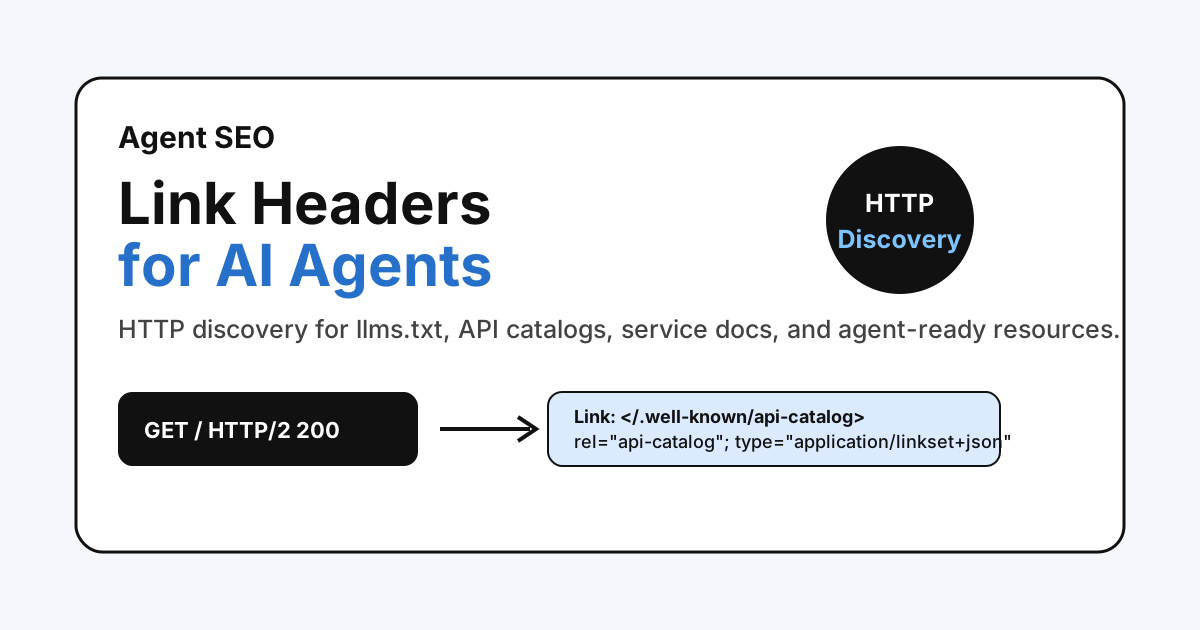
Agent SEO
Link Headers for AI Agents: Why HTTP Discovery Matters
Learn how HTTP Link headers help AI agents discover llms.txt, API catalogs, service docs, and agent-ready resources before parsing a full page.
Read Article
JavaScript FullStack Developer & SEO Specialist. Expert in blending technical development with SEO strategies to solve complex website technical SEO optimization challenges.
Learn how HTTP Link headers help AI agents discover llms.txt, API catalogs, service docs, and agent-ready resources before parsing a full page.
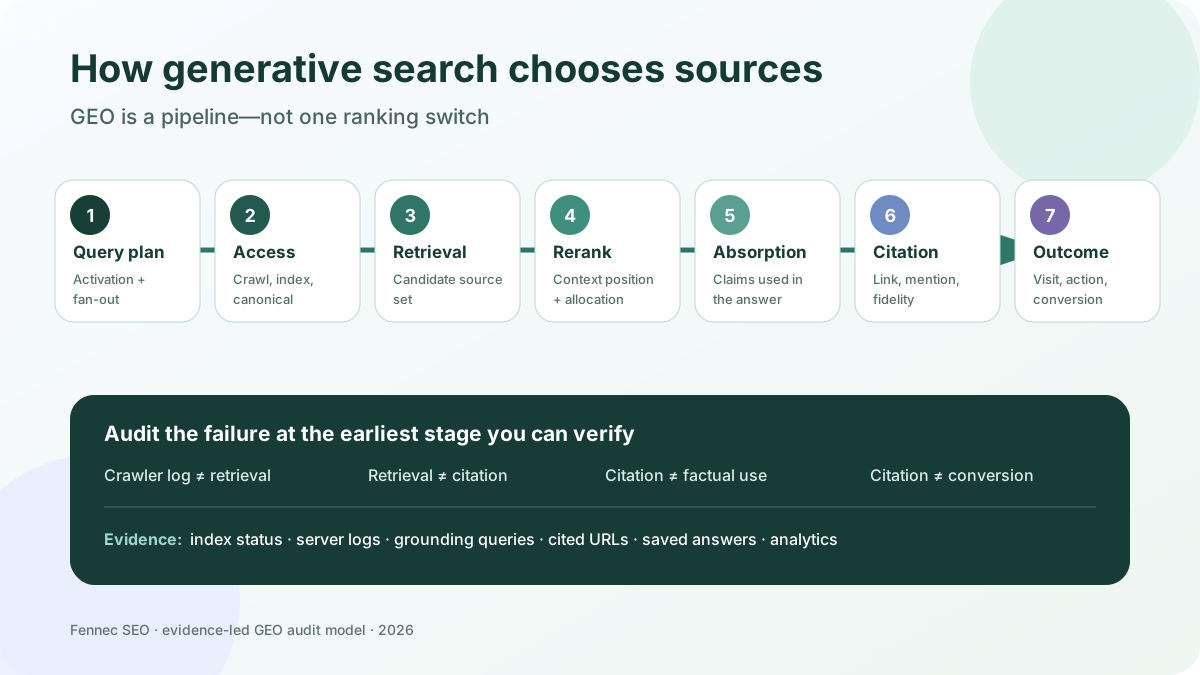
A mechanism-first guide to GEO: audit the seven stages between a user query, retrieval, answer synthesis, source citation, and measurable business outcomes.
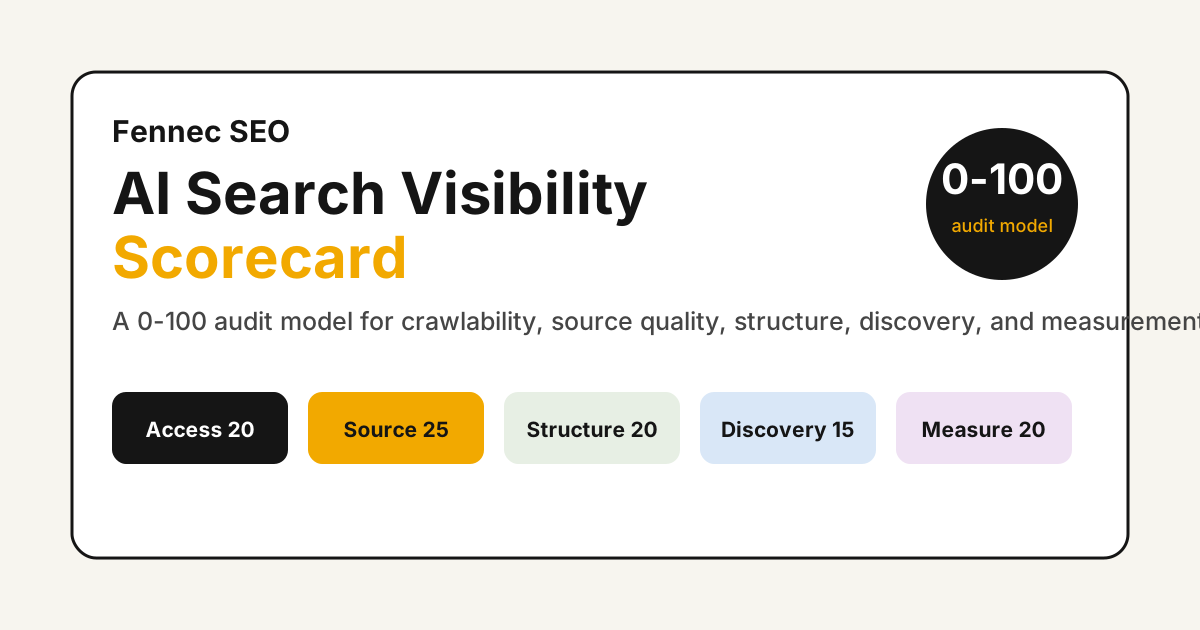
Use a 0-100 audit model to evaluate whether a page is crawlable, source-worthy, structured, measurable, and ready for AI search and agent discovery.
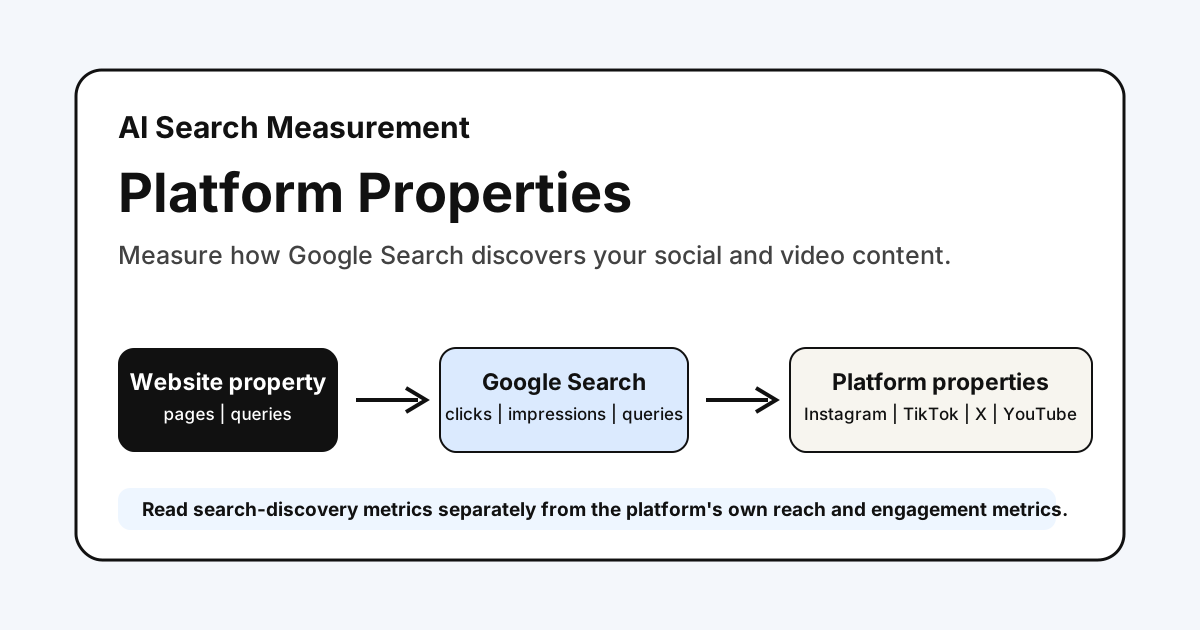
Use Search Console platform properties to measure how Google Search, Discover, and Google News surface your Instagram, TikTok, X, and YouTube content—without confusing it with native-platform reach.
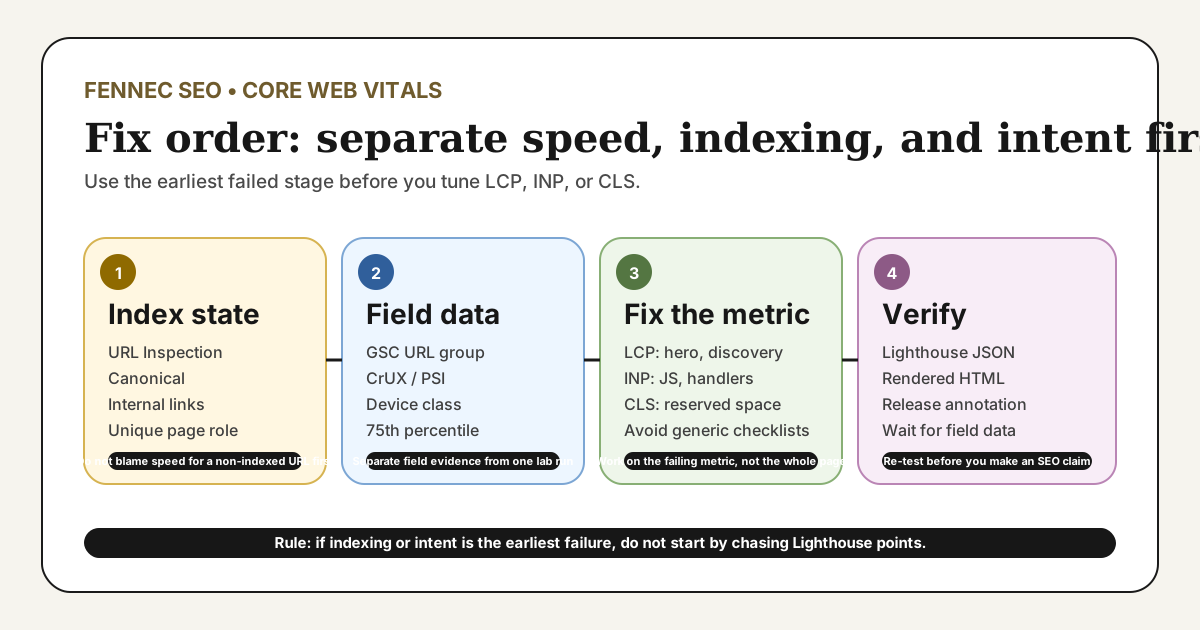
Separate field data from lab traces, fix the failing metric first, and verify whether a page has a speed, indexing, or intent problem before you blame Core Web Vitals.

Set up OpenClaw for practical SEO automation on your own machine, with verified install steps, cron scheduling, DM security, logs, and rollback controls.
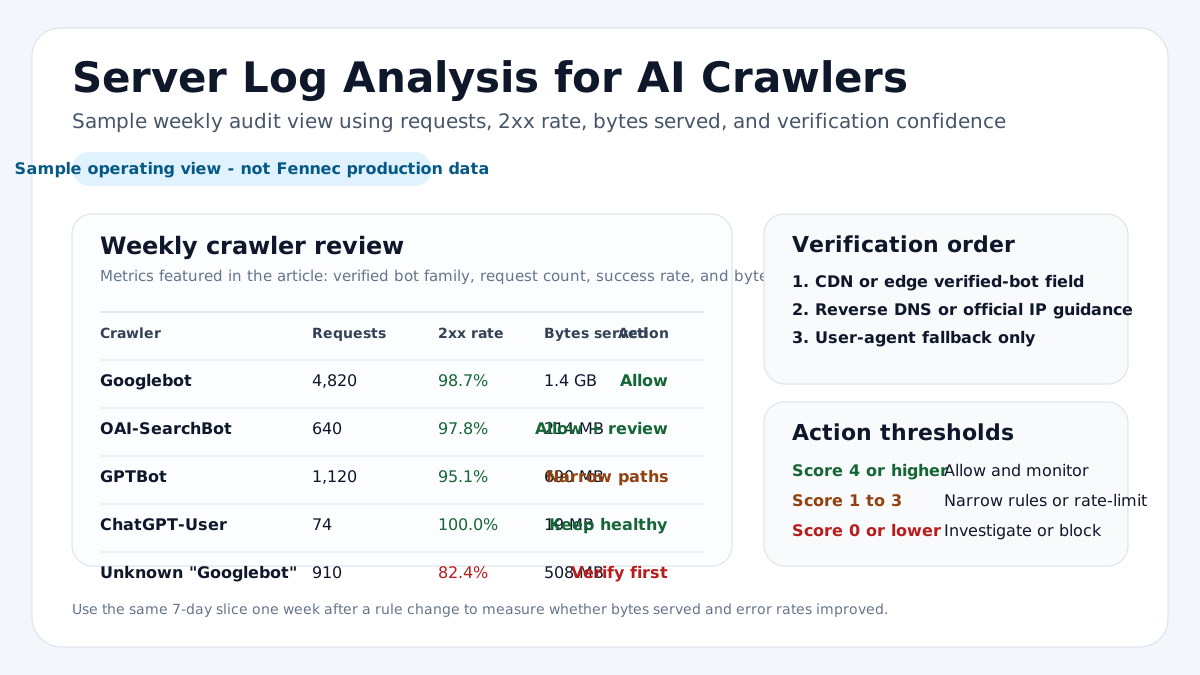
Use server logs, Cloudflare AI Crawl Control, and Search Console to verify Googlebot and OpenAI crawlers, measure crawl cost, and decide what to allow or restrict.
Use hreflang, self-canonical tags, XML sitemaps, and localized internal links to keep Google Search and AI features aligned on the right language version.
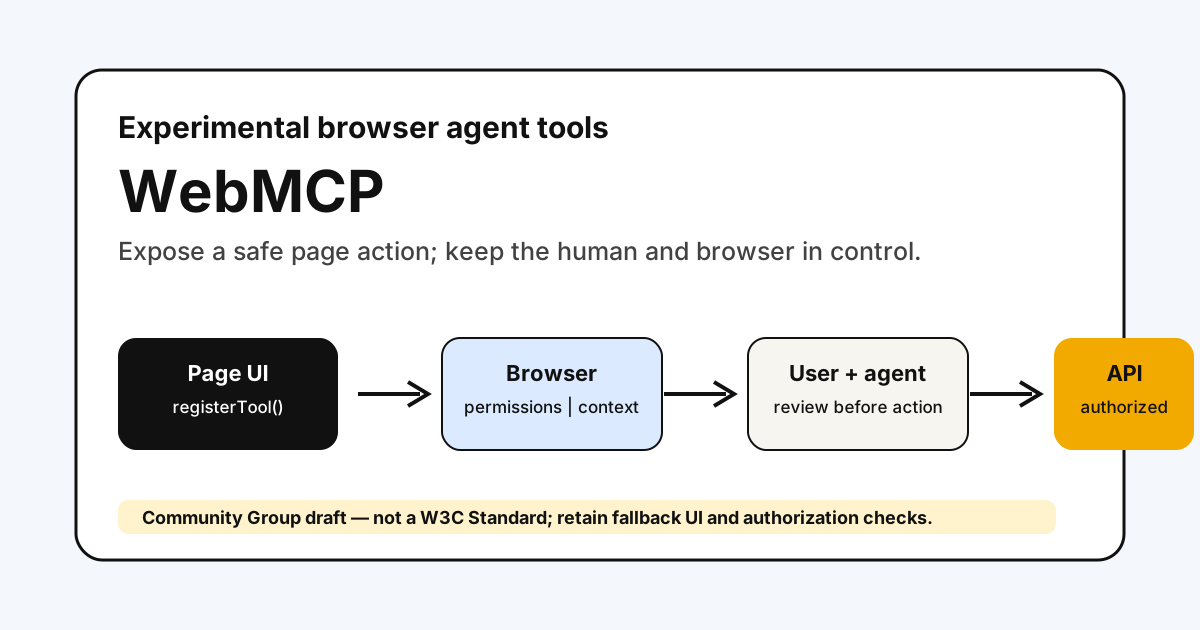
Understand the experimental WebMCP proposal for browser-native AI-agent tools, including registerTool, form-based ideas, security boundaries, and how it differs from backend MCP.
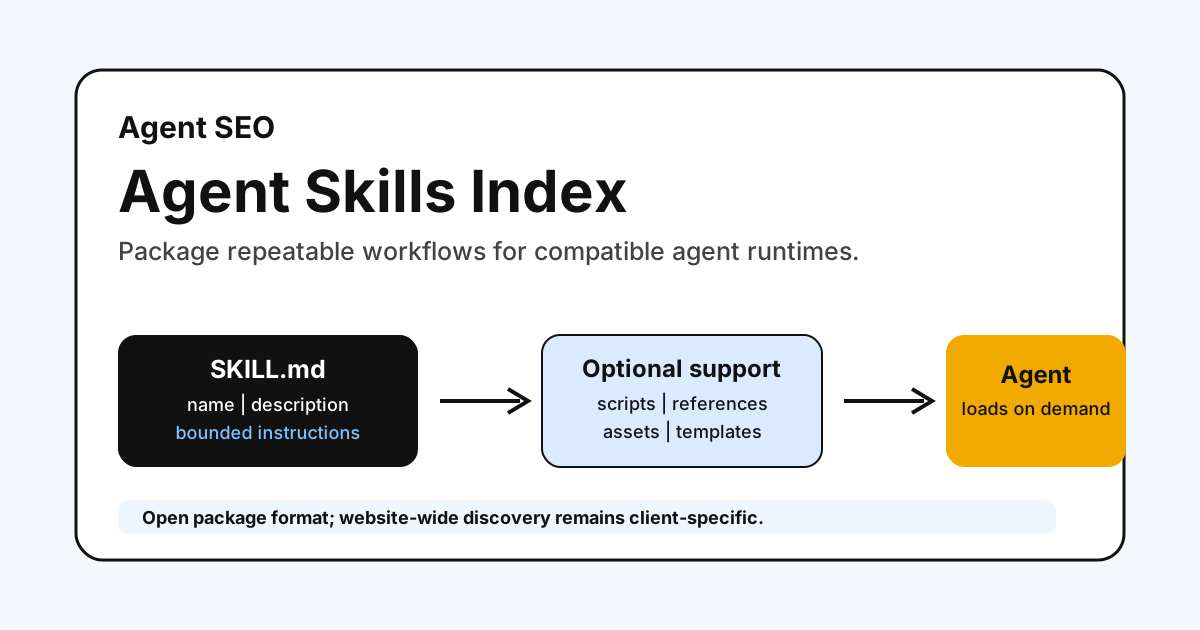
Learn how the open Agent Skills format uses SKILL.md packages to expose reusable instructions and resources, where it fits beside APIs and MCP, and why it is not a search-ranking shortcut.
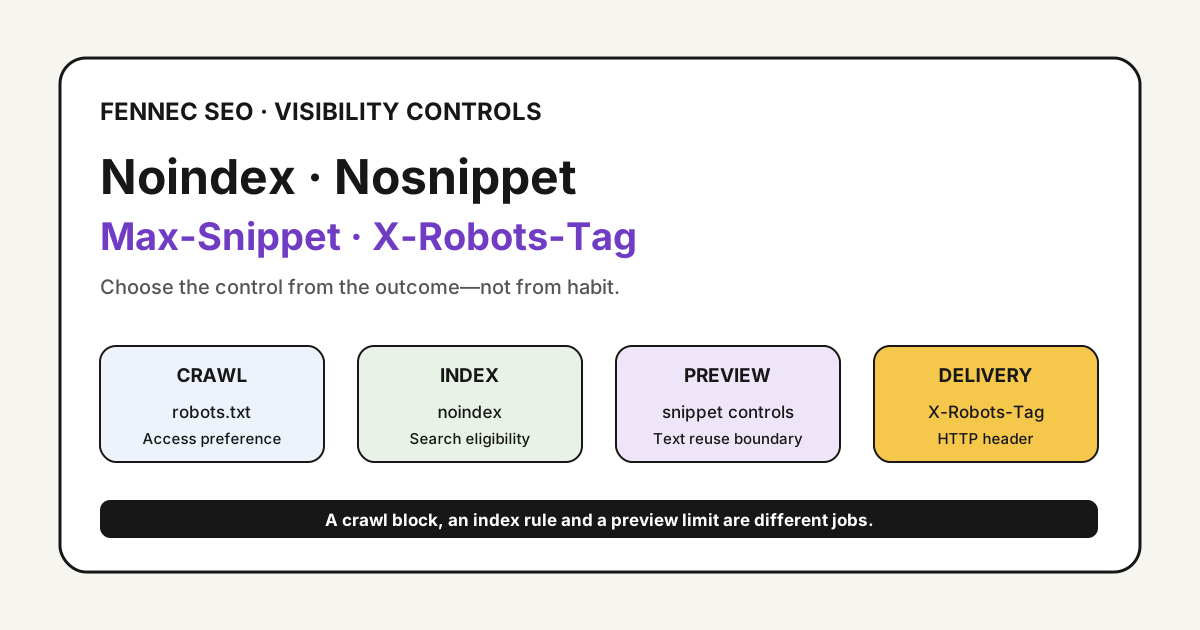
Use noindex, nosnippet, data-nosnippet, max-snippet and X-Robots-Tag to control Google Search and AI previews without blocking crawl access.
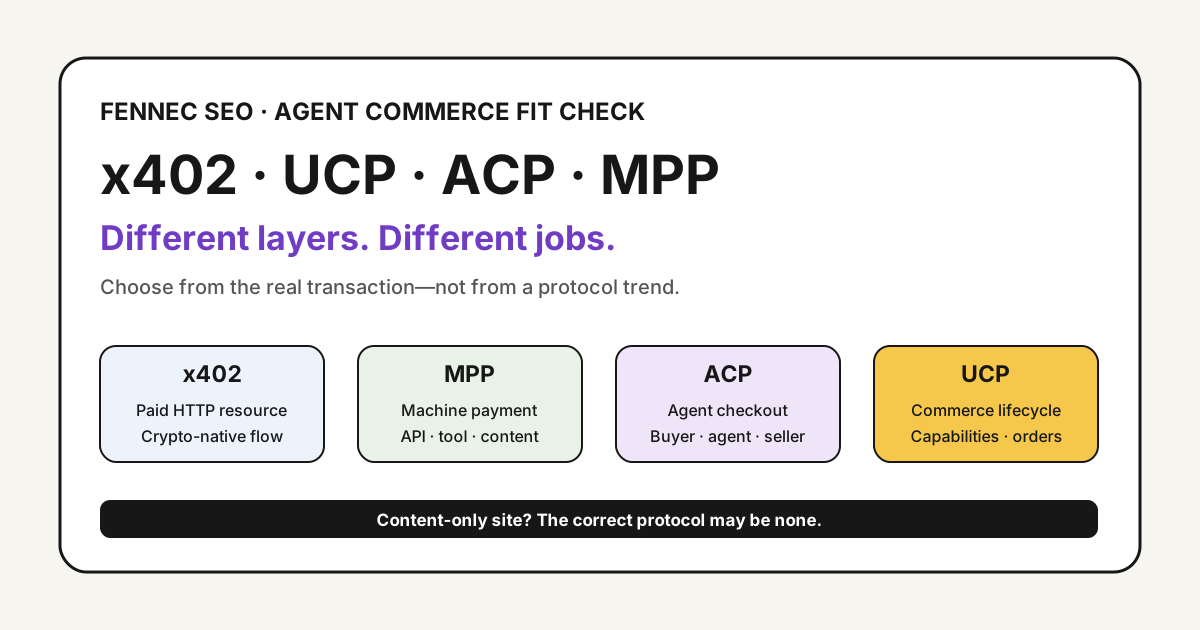
Compare x402, UCP, ACP and MPP by transaction layer, use case, discovery method and payment model. Decide whether your site needs agent commerce at all.
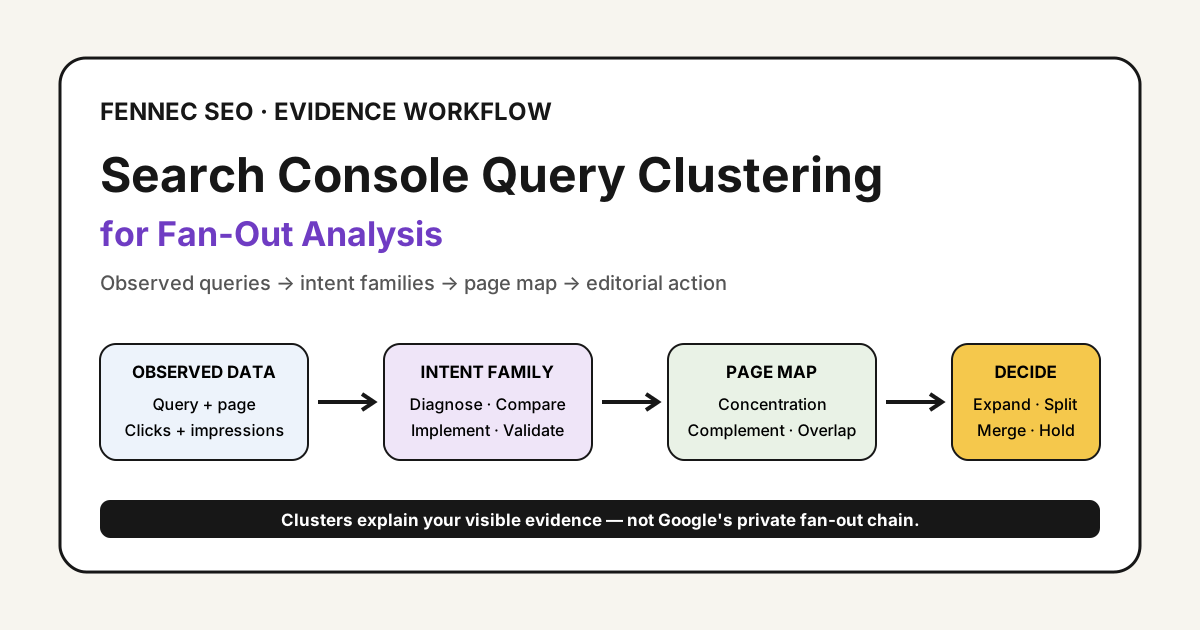
Cluster Search Console queries into intent families without claiming to reconstruct Google's hidden fan-out. Find content gaps, overlap, and refresh priorities.
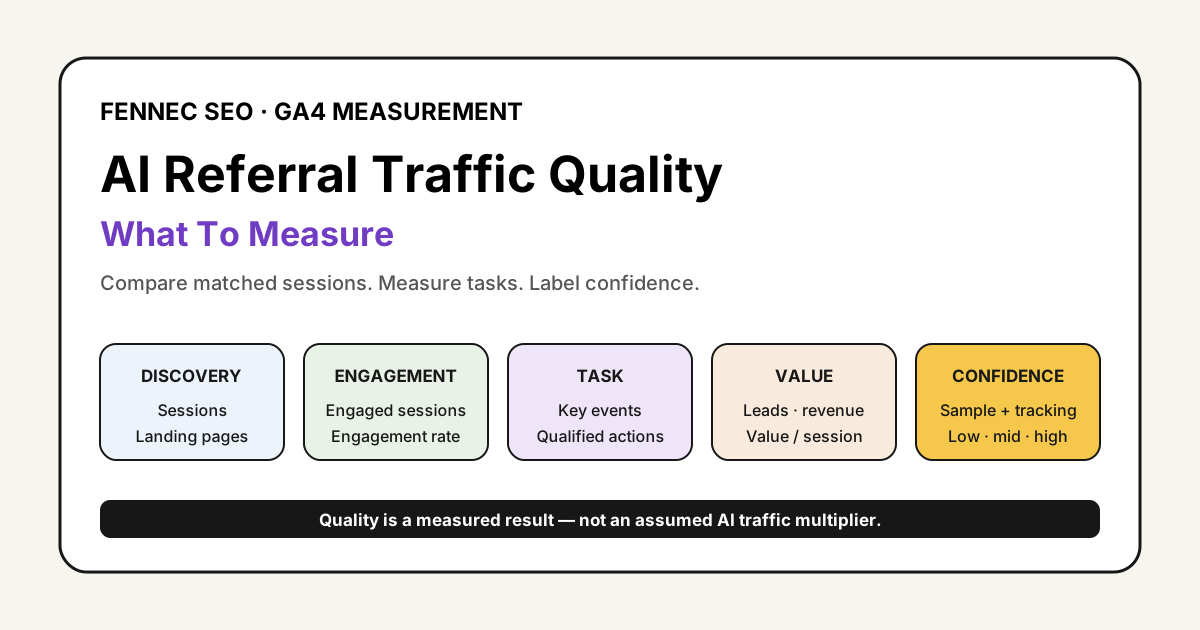
Measure AI referral quality in GA4 with matched cohorts, engagement, key events, revenue, landing-page fit, and clear attribution and confidence limits.
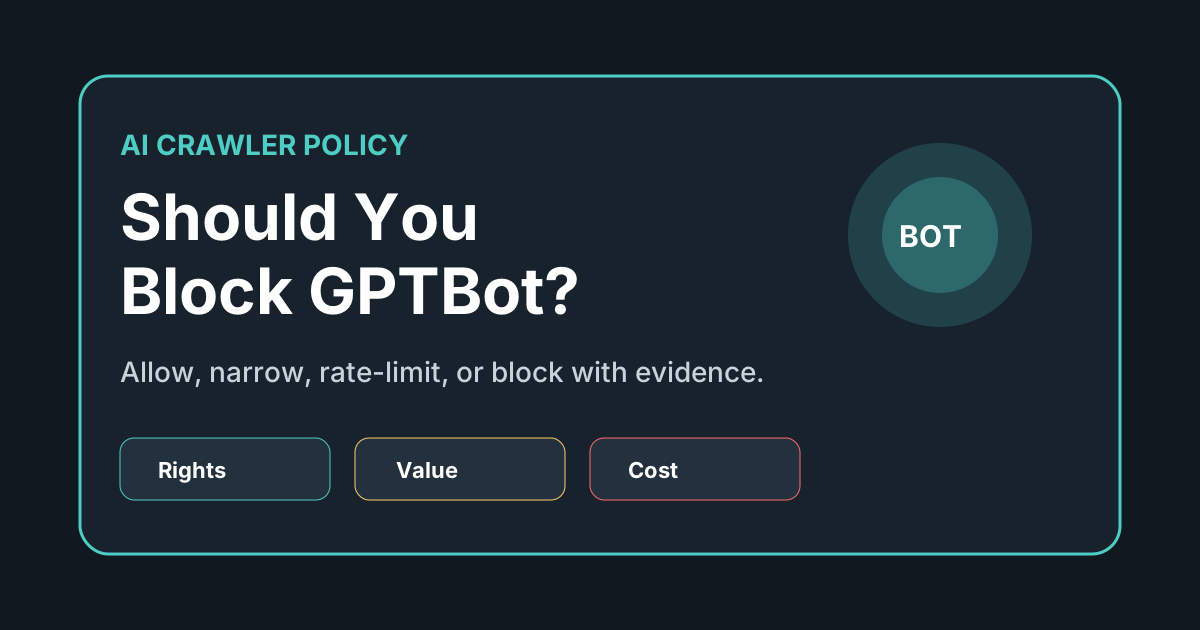
Decide whether to allow, narrow, rate-limit, or block GPTBot with a framework that separates training crawlers from search and user-triggered agents.
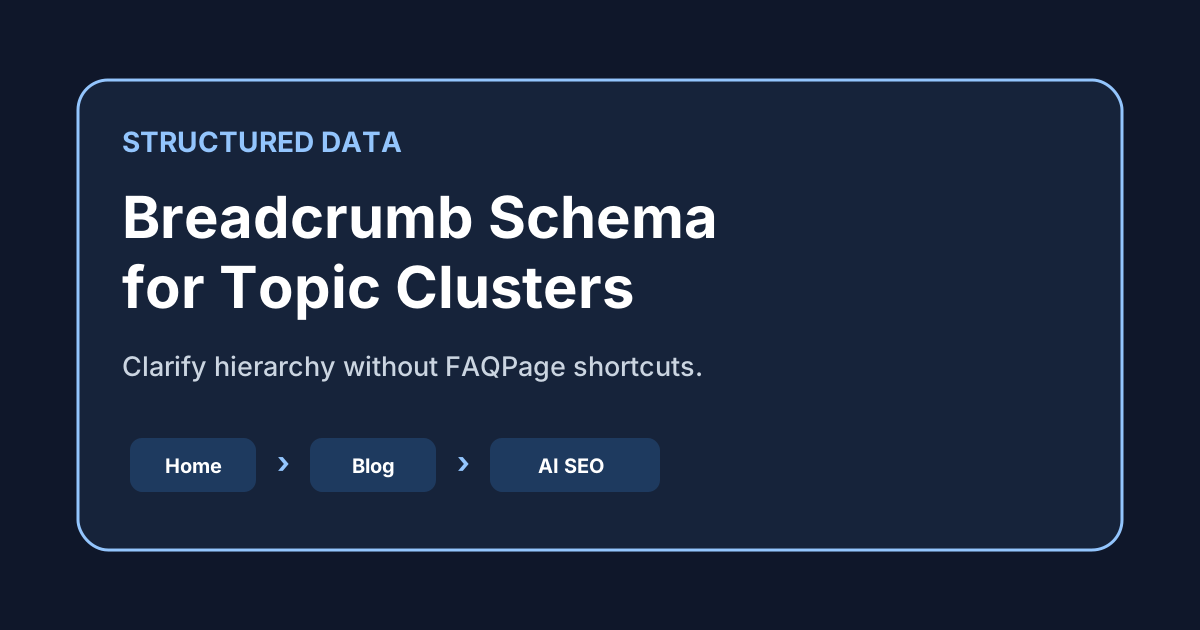
Learn how to use BreadcrumbList schema to clarify topic clusters, blog hubs, wiki sections, and internal linking without relying on FAQPage structured data.
Build clearer author and brand trust signals for AI search with visible bylines, author pages, Article schema, Person consistency, and source-worthy editing.
Audit mobile-first content parity for AI agents. Align rendered copy, metadata, structured data, links and key actions before adding new discovery protocols.
Build a clear authentication discovery layer for AI agents with OAuth metadata, protected-resource metadata, and a cautious evaluation of the emerging auth.md protocol.
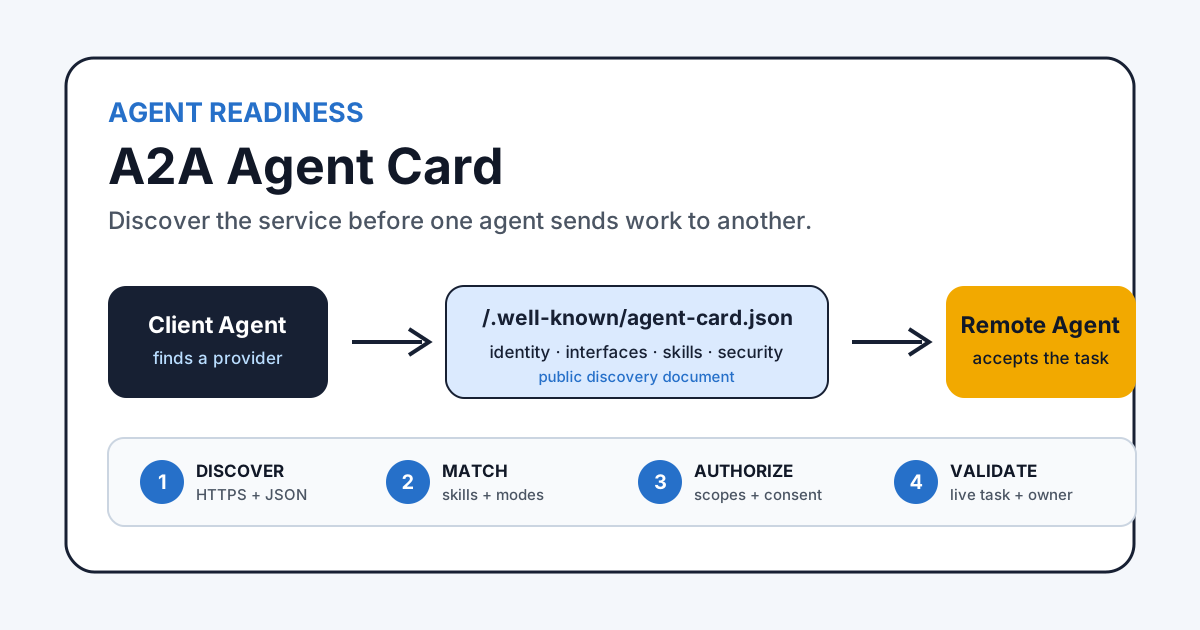
Decide whether your product needs an A2A Agent Card, publish the current well-known discovery document, and validate capabilities, security, caching, and skills.
Understand when DNS-AID is a useful DNS discovery layer for AI agents, how the current IETF draft uses SVCB records, and why most sites should treat it as optional agent-readiness infrastructure.
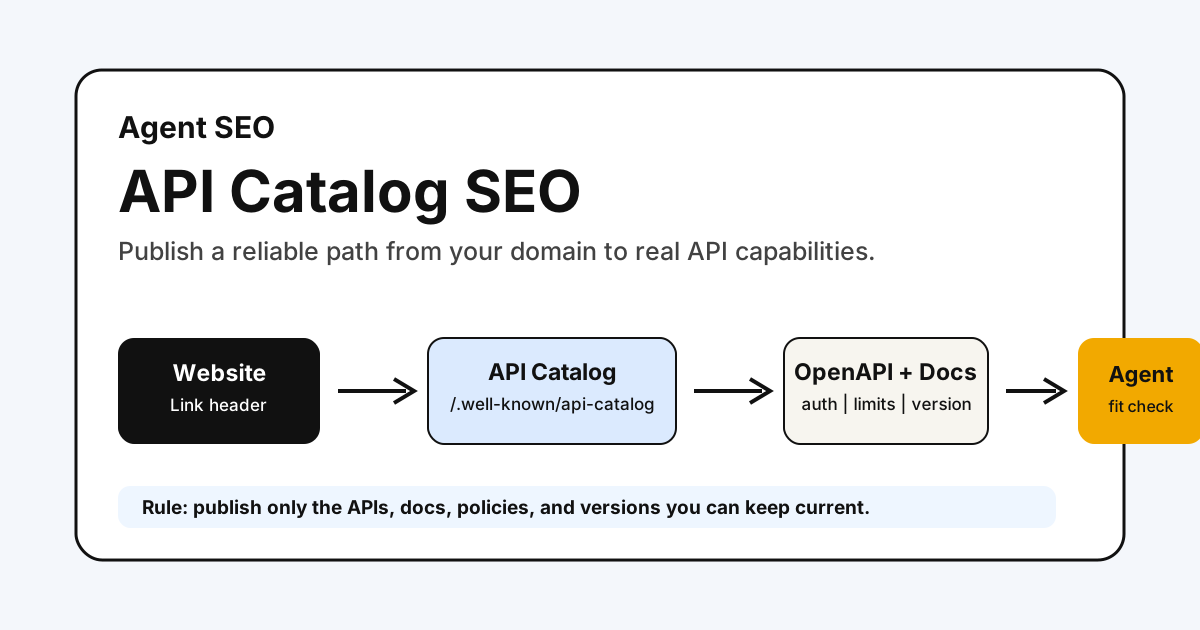
Use RFC 9727 API catalogs to make real public APIs easier for developers and AI agents to discover, evaluate, and validate without treating them as a ranking shortcut.
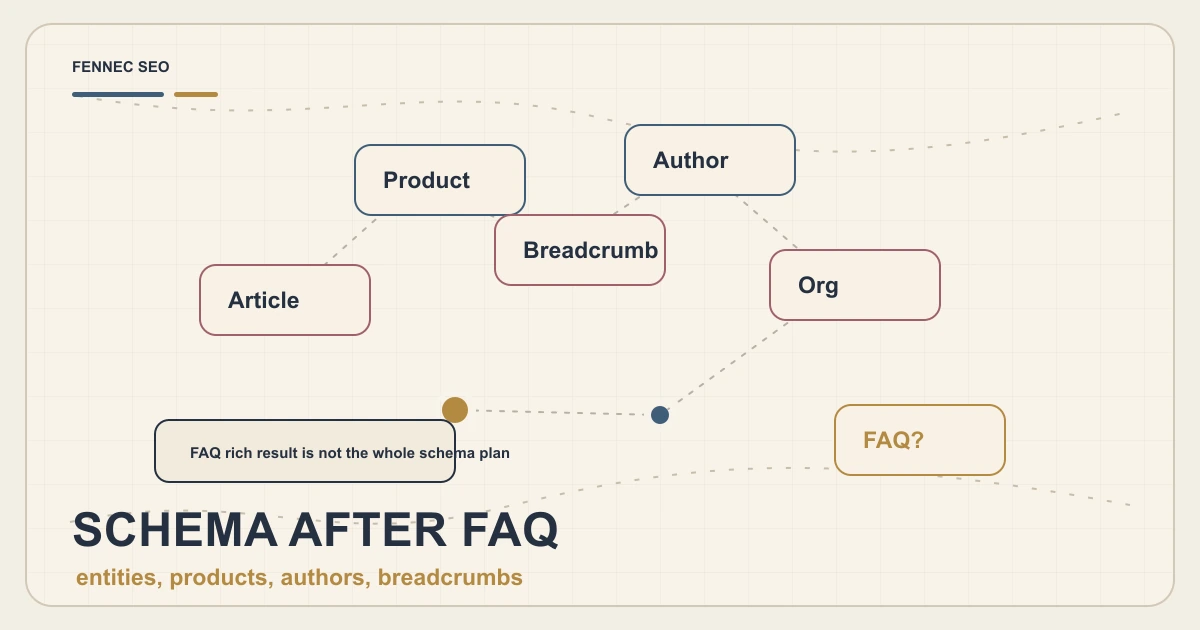
Use this structured data QA workflow after template changes to catch schema regressions across Article, Breadcrumb, Product, and JavaScript-rendered pages before they hurt SEO.
Diagnose whether an AI Overview-era click drop is caused by demand, rankings, CTR, technical access, or source quality, then refresh the page with a practical evidence-first workflow.
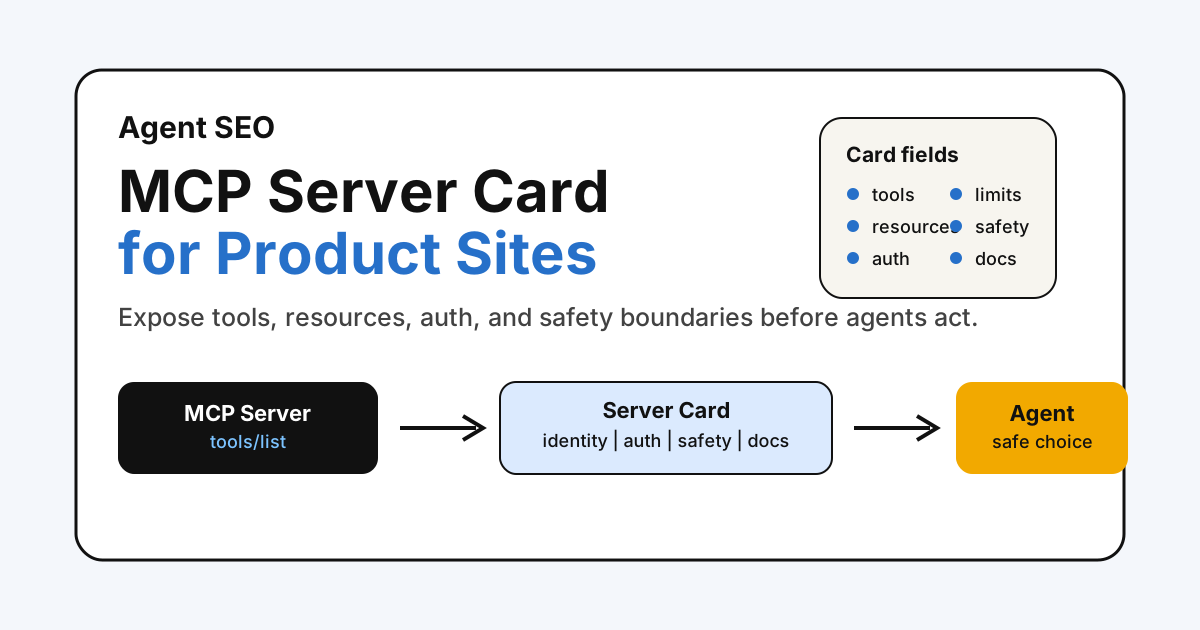
Learn when an MCP Server Card helps Agent SEO, what fields to include, and how product websites should expose tools, resources, auth, and safety boundaries.
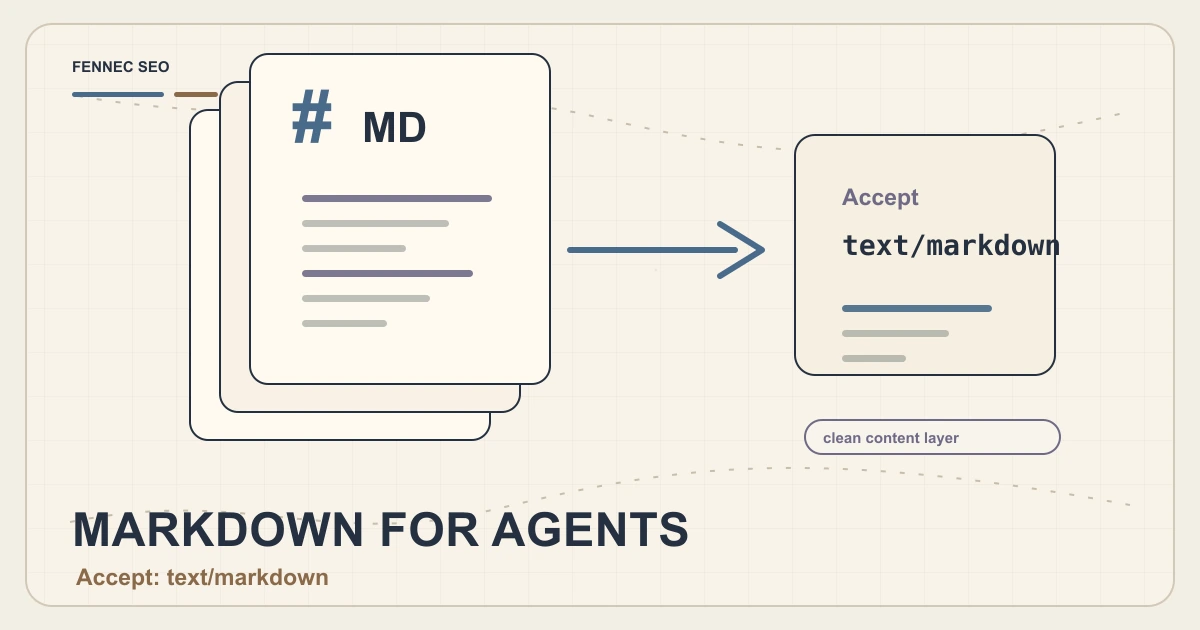
Learn how Markdown for Agents, llms.txt, and content negotiation fit into AI SEO and Agent SEO without confusing them with Google ranking requirements.
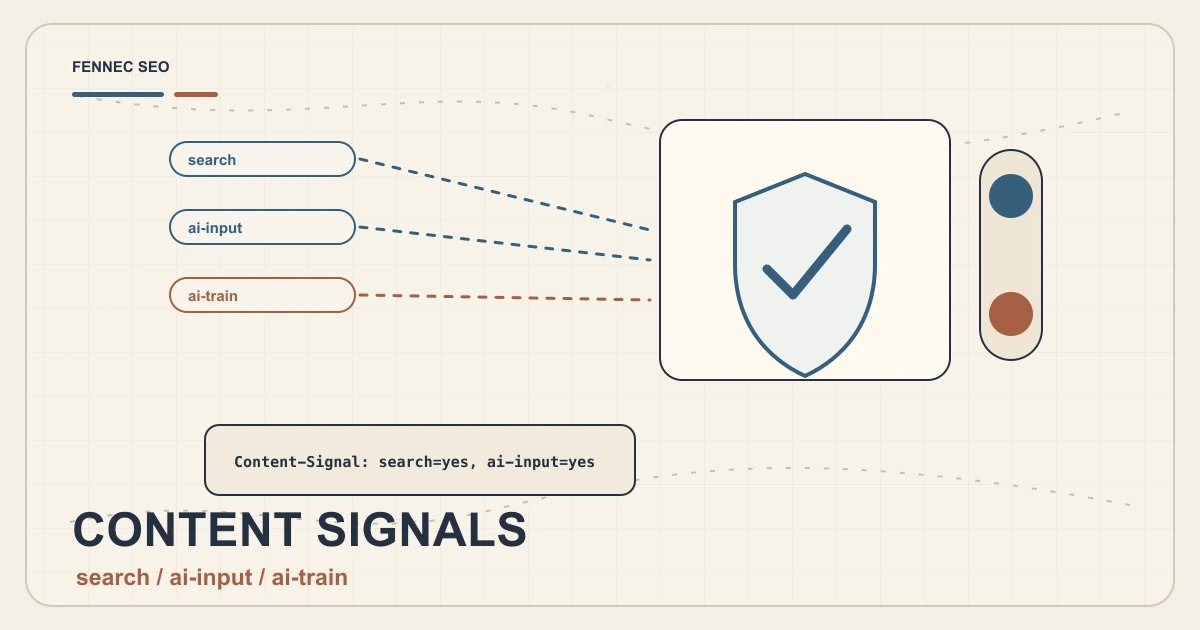
Use Content Signals, robots.txt, and bot verification to express AI content-use preferences for Agent SEO and GEO without losing content control.
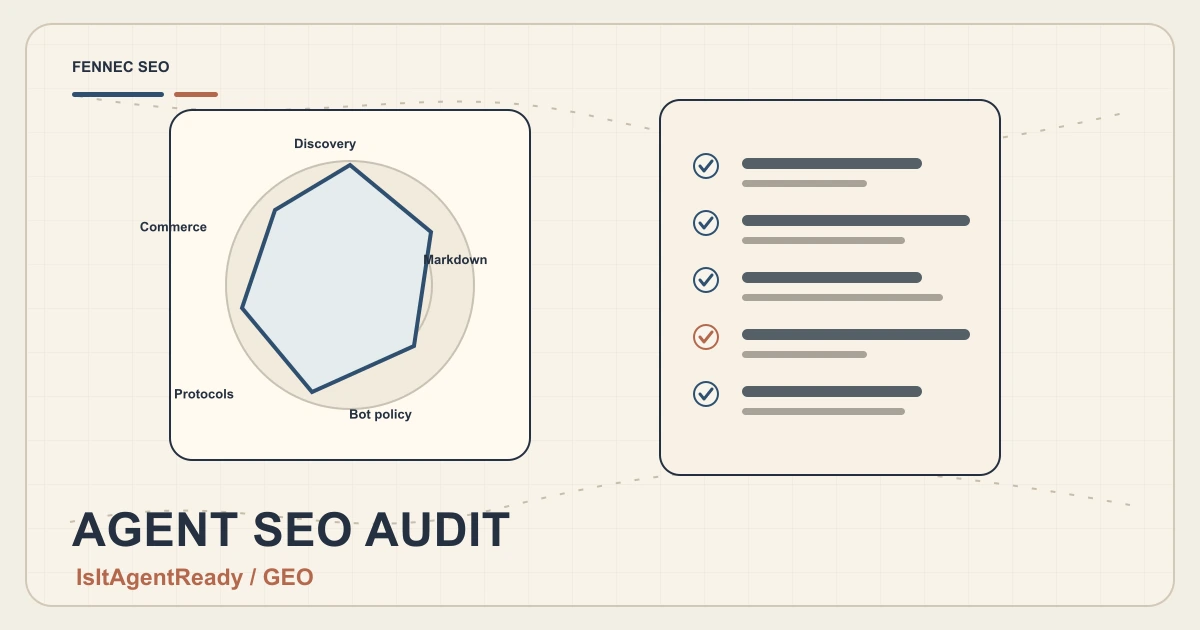
A practical Agent SEO audit framework based on IsItAgentReady: discoverability, Markdown content access, AI bot policy, protocol discovery, and GEO measurement.
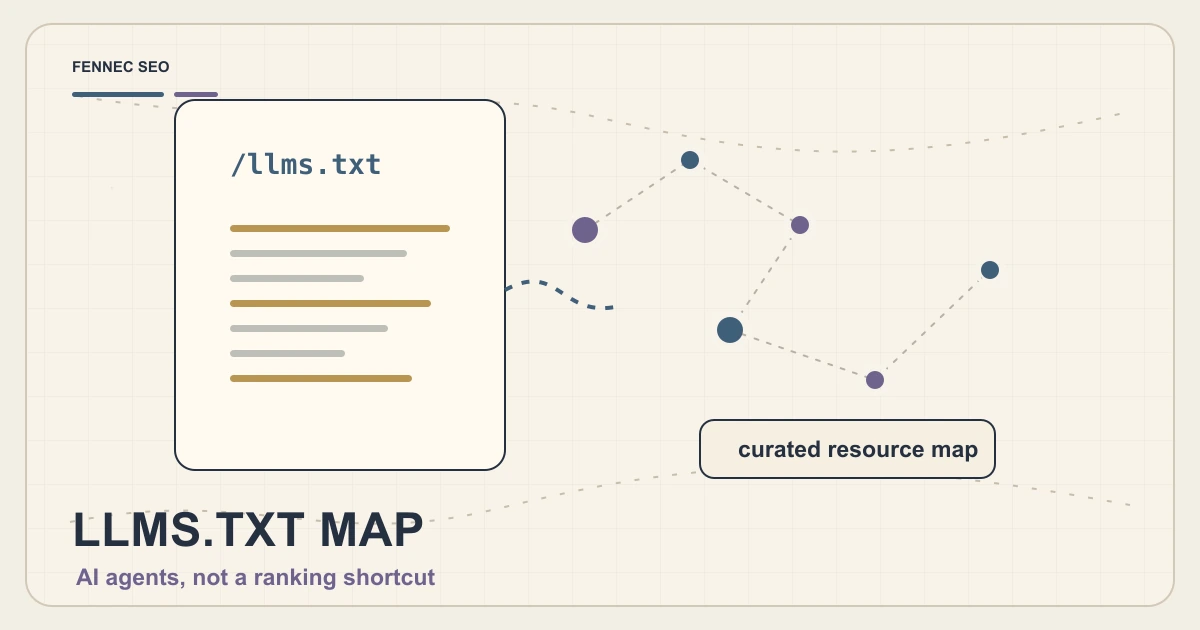
A practical SEO guide to llms.txt in 2026: what Google says, where the file may still help AI agents, and how to avoid confusing it with robots.txt.
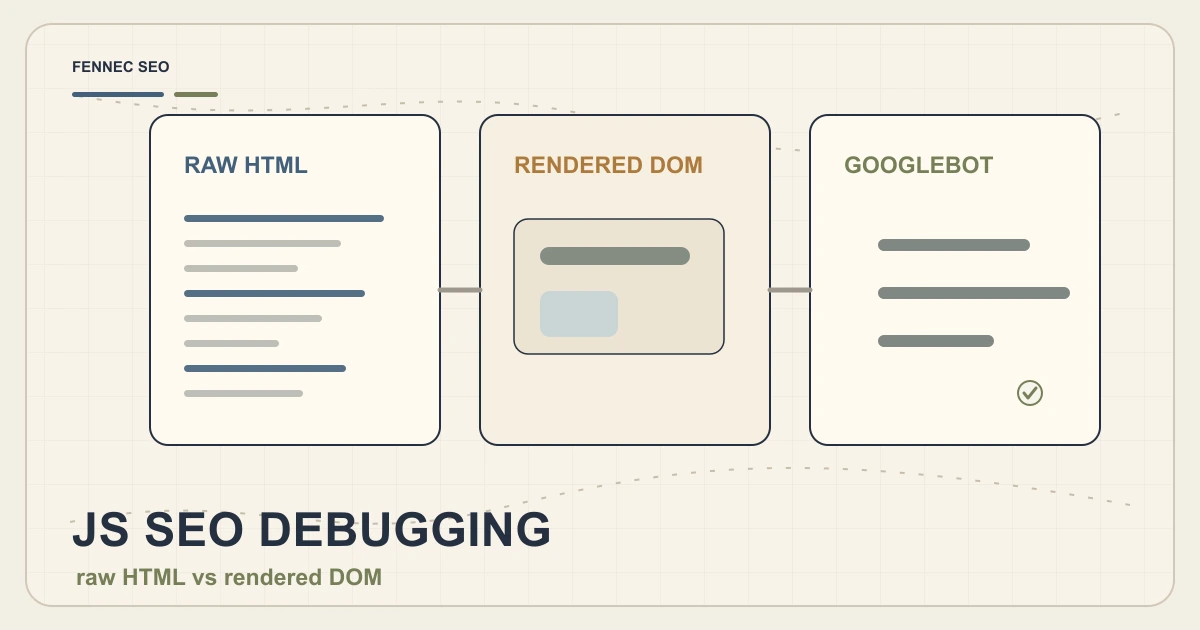
A practical JavaScript SEO debugging workflow for comparing raw HTML, rendered DOM, Googlebot output, schema injection, internal links, and crawler visibility.
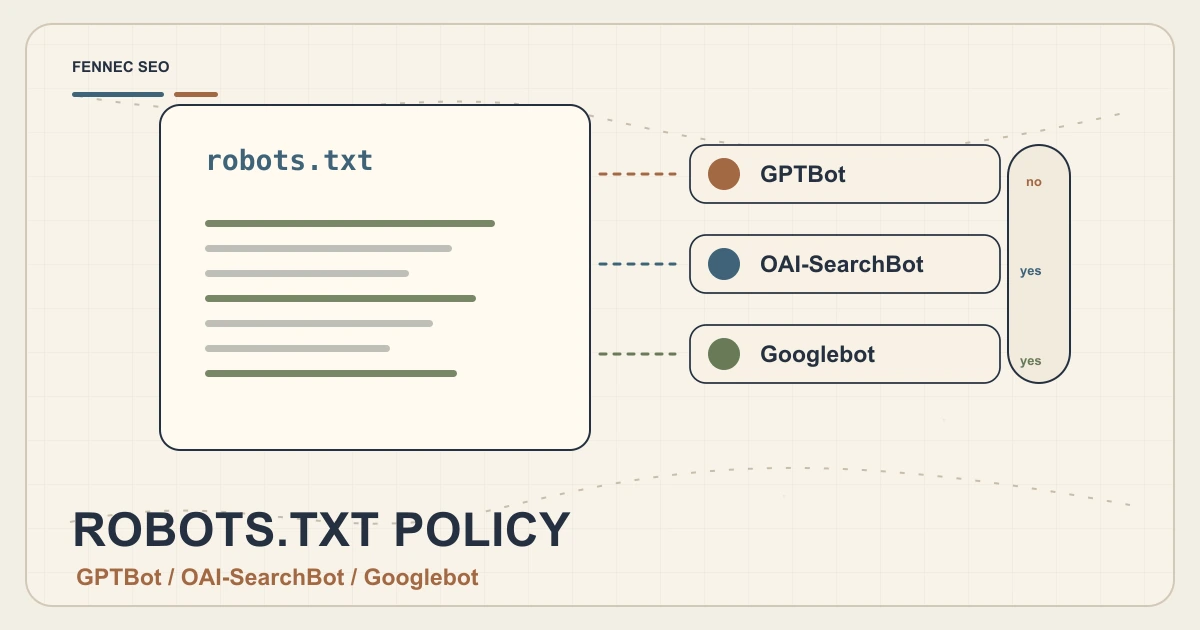
Understand the difference between GPTBot, OAI-SearchBot, Googlebot, and other crawlers, then build a robots.txt policy that supports AI visibility without losing control.
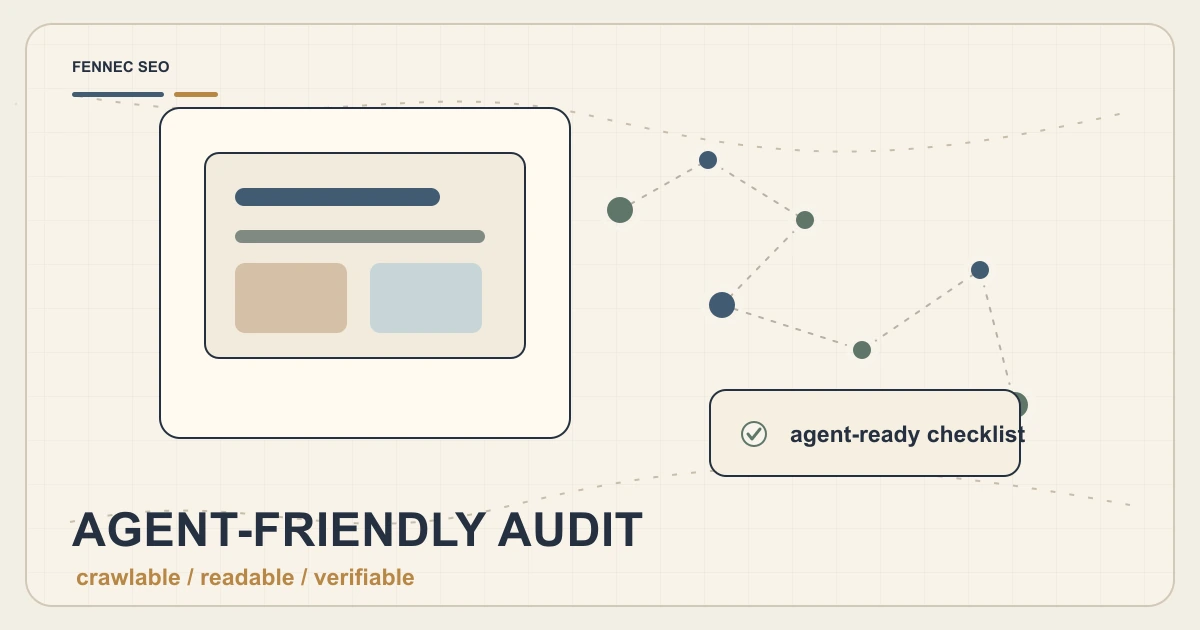
A practical checklist for making websites easier for AI agents to read, navigate, and use, covering semantic HTML, accessibility, forms, stable layouts, and SEO basics.
Master OpenClaw's clawd bot: a local AI agent for autonomous SEO. Automate ranking monitoring and competitor analysis securely without privacy compromises.
Explore how OpenClaw 4.5 version revolutionizes SEO and LLM search optimization through multilingual support, new AI tools, and search integrations.
Supercharge your SEO workflow with FennecSEO Chrome Extension. Learn to use OpenClaw Skills to automate audits, extract data, and streamline optimization.

Master AI Overview optimization and zero-click conversions with our comprehensive guide. Learn strategies to maintain traffic and drive conversions in the age of AI-powered search.

Explore the future of AI in content marketing and how autonomous agents are reshaping the SEO landscape. Learn strategies to create high-value, AI-assisted content that ranks.
We use cookies to enhance your experience. By continuing to visit this site you agree to our use of cookies.